





Sort by: Author | Title | Publication Year
BOOKS
Resisting Radicalization: Exploring the Nonoccurrence of Violent ExtremismMorten Bøås, Gilad Ben-Nun, Ulf Engel, and Kari Osland, editors Precarious living conditions across the Balkans, the Middle East, and North Africa create fertile ground for radical ideas. Yet, despite genuine grievances and legitimate grounds for anger, most people living in these regions are not radicalized and do not embrace ideas that lead to acts of violent extremism. Which raises the question ... why? To answer this question, the authors of Resisting More > |  |
Ending the Nuclear Arms Race: A Physicist’s QuestFrank N. von Hippel Frank N. von Hippel shares his remarkable journey as a key figure in the history of nuclear weapons and nuclear energy, illuminating the far-reaching consequences of nuclear accidents and the devastating impact of "limited" nuclear war. Speaking out about the dangers of nuclear power, leading the opposition against nuclear breeder reactors, meeting with Soviet leaders and colleagues More > |  |
Abolishing WarWinston E. Langley Is it possible to abolish war? This is the fundamental question animating Winston Langley's new book. And, though many will disagree, it is a question to which the author is persuaded the answer is yes. Far from being utopian ideals, Langley argues, international security and peace are attainable, as are their necessary corollaries: protection of the environment, conservation of natural More > |  |
Weaponizing Water: Water Stress and Islamic Extremist Violence in Africa and the Middle EastMarcus D. King Drought, lack of access, poor quality … water supplies are in jeopardy across Africa and the Middle East. These same areas are rife with conflicts involving Islamic extremist groups. Marcus King explores linkages between water stress and violent conflict by looking closely at how ISIS in Syria and Iraq, Boko Haram in Nigeria, and al-Shabaab in Somalia have weaponized water in the pursuit of More > |  |
Banning the Bomb: The Treaty on the Prohibition of Nuclear WeaponsJean Krasno and Elisabeth Szeli Frustrated by the abrogation of promises by nuclear weapons states to disarm, countries that have foregone nuclear weapons joined forces with key members of civil society in efforts that culminated in the Treaty on the Prohibition of Nuclear Weapons (TPNW). How did this initiative succeed—in defiance of the major powers—in changing the discourse around nuclear weapons? What roles More > |  |
Killing Civilians in Civil War: The Rationale of Indiscriminate ViolenceJürgen Brandsch Conventional wisdom tells us that targeting civilians in civil wars makes little sense as a combat strategy. Yet, the indiscriminate violence continues. Why? To tackle this vexing question, Jürgen Brandsch looks closely at the on-the-ground impact of indiscriminate violence—and what he finds shows that there often is, in fact, a method to the madness. Making the provocative argument More > |  |
The New Politics of Aid: Emerging Donors and Conflict-Affected StatesAgnieszka Paczyńska, editor How do emerging donors conceptualize the relationship between security and development? How, and why, do the policies they pursue in conflict-affected states differ from the liberal peacebuilding model of traditional donors? Addressing these questions, the authors of The New Politics of Aid shed light on the increasingly complicated and complex donor landscape. Their work is an essential More > |  |
A Peacekeeper in Africa: Learning from UN Interventions in Other People’s WarsAlan Doss Alan Doss offers a rare window into the real world of UN peacekeeping missions in Côte d'Ivoire, Liberia, Sierra Leone, and the Democratic Republic of Congo. Doss's story is one of presidents and prelates, warlords and warriors, heroes and villains, achievements and disappointments—and innocent people caught in the midst of deadly violence. As he shares his front-line More > |  |
Mediation and Governance in Fragile Contexts: Small Steps to PeaceDekha Ibrahim Abdi and Simon J. A. Mason The result of a long collaboration between a Kenyan-Somali mediator and a Swiss scholar-practitioner, Mediation and Governance in Fragile Contexts introduces an innovative, practical approach to resolving an enduring issue: How can conflicts be resolved in polarized societies? This approach breaks out of the insider/outsider dichotomy to develop a framework for achieving peace in the most More > |  |
Unintended Consequences in Transitional Justice: Social Recovery at the Local LevelToshihiro Abe Though transitional justice has been hailed by many as the best path toward reconciliation and stability in postconflict and democratizing societies, criticisms of the approach also abound, with a significant number of TJ programs labeled failures. What accounts for this difference of opinion? How is success measured? Have the societies that sought to implement a plan for TJ followed the More > |  |
African Actors in International Security: Shaping Contemporary NormsKatharina P. Coleman and Thomas K. Tieku, editors What impact have African actors had on perceptions of and responses to current international security challenges? Are there international peace and security norms with African roots? How can actors that lack the power and financial resources of Western states help to shape prevailing conceptions of appropriate behavior in international politics? Addressing these questions, the authors of More > |  |
The US Institute of Peace: A Critical HistoryMichael D. English Long a source of contention and ambiguity in Washington, the US Institute of Peace (USIP) is seen by some as a vital part of the US national security apparatus, by others as a counter to the influence of militarism in US foreign policy, and by still others as an example of fiscal irresponsibility and bureaucratic redundancy—when it is noticed at all. Michael English traces the history of More > |  |
Evolving Patterns of Peacekeeping: International Cooperation at WorkHikaru Yamashita Though historically the term peacekeeping has essentially been shorthand for UN peacekeeping, recent years have seen a proliferation of actors and initiatives in a shift to global peacekeeping cooperation. Hikaru Yamashita explores the motivations behind this development, what forms it is taking, and what it means for the international community. His comprehensive account of peacekeeping More > |  |
The Management of UN Peacekeeping: Coordination, Learning, and Leadership in Peace OperationsJulian Junk, Francesco Mancini, Wolfgang Seibel, and Till Blume, eds. This groundbreaking book brings the insights of organization and public administration theories to the analysis and enhancement of complex peace operations. Focusing on three essential and interrelated aspects of organizations—coordination, learning, and leadership—the authors bridge the gap between research on UN peacekeeping and the realities confronted both in the office and in the More > |  |
Faith and Practice in Conflict Resolution: Toward a Multidimensional ApproachRachel M. Goldberg, editor What would the work of conflict resolution look like if practitioners not only recognized that it is impossible for them to be neutral—and that there are dangers in believing otherwise—but also brought their whole selves to the negotiation table? Focusing on this question, the authors of Faith and Practice in Conflict Resolution introduce the work of pathbreaking individuals who More > | 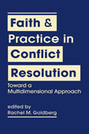 |
Why Peace Processes Fail: Negotiating Insecurity After Civil WarJasmine-Kim Westendorf Why do so many post–civil war societies continue to be characterized by widespread violence and political instability? Or, more succinctly, why do peace processes so often fail to consolidate peace? Addressing this question, Jasmine-Kim Westendorf explores how the international community engages in resolving civil wars—and clarifies why, despite the best of intentions and the More > | 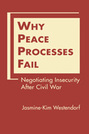 |
Connecting Peace, Justice, and ReconciliationElisabeth Porter Can postconflict states achieve both peace and justice as they deal with a traumatic past? What role does reconciliation play in healing wounds, building trust, and rectifying injustices? This provocative book, incorporating the frameworks of both peace/conflict studies and transitional justice, explores the core challenges that war-torn states confront once the violence has ended. The book is More > | 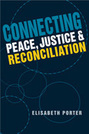 |
Annual Review of Global Peace Operations, 2013Center on International Cooperation The 2013 Annual Review of Global Peace Operations provides comprehensive information on all current military and—for the first time—civilian peace operations, more than 130 missions, launched by the United Nations, by regional organizations, and by coalitions. Unique in its breadth of coverage, it presents the most detailed collection of data on peace operations available. Features More > | 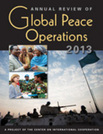 |
Women at War, Women Building Peace: Challenging Gender NormsJoyce P. Kaufman and Kristen P. Williams During times of civil conflict and war, why do some women turn to militant action while others seek peaceful resolutions? And why does the answer matter? Tackling these questions in their provocative analysis, Joyce Kaufman and Kristen Williams explore the full range of women's responses to armed struggles. More > |  |
Conflict Assessment and Peacebuilding Planning: Toward a Participatory Approach to Human SecurityLisa Schirch A Global Observatory Must-Read Book in Peace and Security! Offering a systematic approach that links practical conflict-assessment exercises to the design, planning, monitoring, and evaluation of peacebuilding efforts, Conflict Assessment and Peacebuilding Planning has been carefully—and realistically—designed to enhance the effectiveness of peacebuilding practice. Lisa Schirch More > |  |
Enabling Peace in Guatemala: The Story of MINUGUAWilliam Stanley William Stanley tells the absorbing story of the UN peace operation in Guatemala's ten-year endeavor (1994-2004) to build conditions that would sustain a lasting peace in the country. Unusual among UN peace efforts because of its largely civilian nature, its General Assembly mandate, and its heavy reliance on UN volunteers to staff field offices, the mission (MINUGUA) focused initially on More > |  |
Recovering Nonviolent History: Civil Resistance in Liberation StrugglesMaciej J. Bartkowski, editor This unique book brings to light the little-known, but powerful roles that civil resistance has played in national liberation struggles throughout history. Ranging from the American Revolution to Kosovo in the 1990s, from Egypt under colonial rule to present-day West Papua and Palestine, the authors of Recovering Nonviolent History consider several key questions: What kinds of civilian-based More > |  |
Opting Out of War: Strategies to Prevent Violent ConflictMary B. Anderson and Marshall Wallace A Global Observatory Must-Read Book in Peace and Security! How do ordinary people, neither pacifists nor peace activists, come to decide collectively to eschew violent conflict and then develop strategies for maintaining their region as a nonwar area despite myriad pressures to the contrary? Mary Anderson and Marshall Wallace analyze the experiences of thirteen nonwar communities that made More > |  |
The Golden Fleece: Manipulation and Independence in Humanitarian ActionAntonio Donini, editor A Global Observatory Must-Read Book in Peace and Security! The authors of this book take a long view—starting with the origins of organized humanitarianism in the mid-nineteenth century—to examine whether the politicization of aid has achieved its desired objectives, and whether the recent dramatic growth of relief work has made humanitarian efforts vulnerable to greater More > |  |
Peacebuilding Through Community-Based NGOs: Paradoxes and PossibilitiesMax Stephenson and Laura Zanotti Max Stephenson and Laura Zanotti explore the contested, but increasingly relevant, role that nongovernmental organizations (NGOs) play in resolving conflict and bringing about peace and security in the global arena. The authors draw on case studies from Haiti, Serbia, and Northern Ireland to highlight the range of ways that NGOs are involved in postconflict reconstruction efforts. In the More > |  |
Conflict-Related Sexual Violence: International Law, Local ResponsesTonia St. Germain and Susan Dewey, editors The authors of this groundbreaking book explore the gap between policy and practice in international responses to conflict-related sexual violence. Drawing on their research in Africa, Asia, the Caribbean, Europe, and Latin America, they offer fresh perspectives on, and practical approaches to, achieving justice for women who have survived wartime sexual assault. More > |  |
The Collected Papers of Kofi Annan: UN Secretary-General, 1997-2006Jean E. Krasno, editor The thousands of documents in this five-volume set illuminate the complexity and texture of the workings of the United Nations as they trace the activities of Secretary-General Kofi Annan and the conceptual evolution of his ideas. With the cooperation of the Executive Office of the Secretary-General in the release of previously classified material, the documents encompass internal notes, More > | 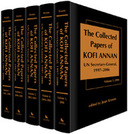 |
Annual Review of Global Peace Operations, 2012Center on International Cooperation Unique in its breadth of coverage, the Annual Review of Global Peace Operations presents the most detailed collection of data on peace operations—those launched by the UN, by regional organizations, and by coalitions—that is available. Features of the 2012 volume include: • a thematic focus on the role of peace operations in the extension of state authority • a summary More > |  |
Western Sahara: Anatomy of a Stalemate?, 2nd editionErik Jensen Responding to the changes that have swept across North Africa since the first edition of this book was published, Erik Jensen sheds new light on the enduring dispute over Western Sahara. Jensen reviews the history of the dispute, beginning with its colonial roots, and explains how and why attempts made by the OAU and, more persistently, the UN failed to achieve a formula for resolution More > |  |
UN Peacekeeping in Africa: From the Suez Crisis to the Sudan ConflictsAdekeye Adebajo Nearly half of all UN peacekeeping missions in the post–Cold War era have been in Africa, and the continent currently hosts the greatest number (and also the largest) of such missions in the world. Uniquely assessing five decades of UN peacekeeping in Africa, Adekeye Adebajo focuses on a series of questions: What accounts for the resurgence of UN peacekeeping efforts in Africa after the Cold More > |  |
Afghanistan’s Troubled Transition: Politics, Peacekeeping, and the 2004 Presidential ElectionScott Seward Smith Scott Seward Smith focuses on Afghanistan's 2004 presidential election—the first popular election ever held there—as he explores the painstaking attempt by the United Nations to develop democratic institutions in the country. Smith thoroughly describes the personalities, policies, bureaucracies, and external factors that shaped the faltering transition process from 2001 through More > |  |
Conflict in Macedonia: Exploring a Paradox in the Former YugoslaviaSasho Ripiloski How did Macedonia attain its status as the only Yugoslav republic to achieve a nonviolent transition to independence in the early 1990s? And why did the initial peace fail to endure? Sasho Ripiloski traces Macedonia's peaceful extrication from the Yugoslav morass and then examines the new country's subsequent state-building efforts and offers an explanation for its later collapse into More > |  |
Strategic Moral Diplomacy: Understanding the Enemy’s Moral UniverseLyn Boyd-Judson Is it possible for nations to negotiate in the context of seemingly incompatible moral values? Lyn Boyd-Judson answers yes—and argues that it can be strategically useful, as well as ethical, to assume that an enemy has just moral concerns. Boyd-Judson uses the US and UN negotiations with Iran, Libya, Zimbabwe, and Haiti to illustrate the practical application of strategic moral diplomacy. More > |  |
Annual Review of Global Peace Operations, 2011Center on International Cooperation Unique in its breadth of coverage, the Annual Review of Global Peace Operations presents the most detailed collection of data on peace operations—those launched by the UN, by regional organizations, by coalitions, and by individual nations—that is available. Features of the 2011 volume include: • a thematic focus on current operations in periods of transition • a summary More > |  |
Dual Disasters: Humanitarian Aid After the 2004 TsunamiJennifer Hyndman What happens when a humanitarian crisis with political roots interacts with a humanitarian crisis induced by environmental disaster? That is the question at the core of Dual Disasters. Focusing on Sri Lanka and Indonesia, countries that were dealing with complex upheavals long before the 2004 tsunami struck, Jennifer Hyndman shows how the storm shifted the goals of international aid, altered More > |  |
Women and War: Gender Identity and Activism in Times of ConflictJoyce P. Kaufman and Kristen P. Williams Joyce Kaufman and Kristen Williams draw on both traditional and feminist IR theory to explore the roles that women play leading up to, during, and after conflict situations, how they spur and respond to nationalist and social movements, and how conceptions of gender are deeply intertwined with ideas about citizenship and the state. More > |  |
Evaluating Peace OperationsPaul F. Diehl and Daniel Druckman Winner of the International Association for Conflict Management's Outstanding Book Award, 2012! There has been a great deal written on why peace operations succeed or fail.... But how are those judgments reached? By what criteria is success defined? Success for whom? Paul Diehl and Daniel Druckman explore the complexities of evaluating peace operation outcomes, providing an original, More > |  |
Why Enduring Rivalries Do—or Don’t—EndEric W. Cox Why do some enduring, violent rivalries between states end peacefully, while others drag on interminably or cease only with the complete collapse or defeat of one of the states? Eric Cox provides extensive evidence to support his explanation of how these disputes end, comparing successful and failed attempts to terminate rivalries in Latin America and the Middle East. More > |  |
The Police in War: Fighting Insurgency, Terrorism, and Violent CrimeDavid H. Bayley and Robert M. Perito Frustrated efforts in both Iraq and Afghanistan give urgency to the question of how to craft effective, humane, and legitimate security institutions in conflict-ridden states—and whether legitimate policing can in fact be developed in the midst of insurgency and terrorism. David H. Bayley and Robert M. Perito confront these questions head on. Against the backdrop of failed US attempts to More > | 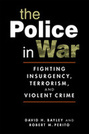 |
Annual Review of Global Peace Operations, 2010Center on International Cooperation Unique in its breadth of coverage, the Annual Review of Global Peace Operations presents the most detailed collection of data on peace operations—those launched by the UN, by regional organizations, by coalitions, and by individual nations—that is available. Features of the 2010 volume include: More > | 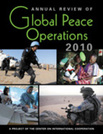 |
Civil Society and Peacebuilding: A Critical AssessmentThania Paffenholz, editor Responding to the burgeoning interest in the role of civil society in peace processes, this groundbreaking collaborative effort identifies the constructive functions of civil society in support of peacebuilding both during and in the aftermath of armed conflict. The authors also highlight the factors that support those functions and the obstacles to their fulfillment. A comprehensive analytical More > |  |
For the Love of God: NGOs and Religious Identity in a Violent WorldShawn Teresa Flanigan Shawn Teresa Flanigan looks at the role of faith-based nonprofit organizations (FBOs) in the context of international development to explore the ways that history and religious identity have influenced their work. More > | 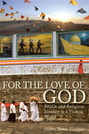 |
Security and Development: Searching for Critical ConnectionsNeclâ Tschirgi, Michael S. Lund, and Francesco Mancini, editors Although policymakers and practitioners alike have enthusiastically embraced the idea that security and development are interdependent, the precise nature and implications of the dynamic interplay between the two phenomena have been far from clear. The authors of Security and Development: Searching for Critical Connections realistically assess the promise and shortcomings of integrated More > |  |
Peacebuilding and Transitional Justice in East TimorJames DeShaw Rae Did the United Nations successfully help to build a just, peaceful state and society in postconflict East Timor? Has transitional justice satisfied local demands for accountability and/or reconciliation? What lessons can be learned from the UN’s efforts? Drawing on extensive field work, James DeShaw Rae offers a grassroots perspective on the relationship between peacebuilding and More > |  |
Building Peace: Practical Reflections from the FieldCraig Zelizer and Robert A. Rubinstein, editors A project of the Alliance for Peacebuilding, this book presents 13 stories of innovative—and effective—peacebuilding practices from around the world. More > |  |
Peace, Justice, and Security Studies: A Curriculum Guide, 7th editionTimothy A. McElwee, B. Welling Hall, Joseph Liechty, and Julie Garber editors Fully revised to reflect the realities of the post–September 11 world, this acclaimed curricular reference provides a comprehensive review of the field of peace, justice, and security studies. Seven introductory essays systematically cover the state of the discipline today, surveying current intellectual and pedagogical themes. These are followed by seventy classroom-tested syllabuses More > |  |
Annual Review of Global Peace Operations, 2009Center on International Cooperation Unique in its breadth of coverage, the Annual Review of Global Peace Operations presents the most detailed collection of data on peace operations—those launched by the UN, by regional organizations, by coalitions, and by individual nations—that is available. Features of the 2009 volume include: More > | 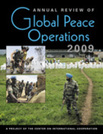 |
Islam and Peacemaking in the Middle EastNathan C. Funk and Abdul Aziz Said Islam and Peacemaking in the Middle East begins with a set of provocative questions: How, for example, do Muslims conceive of peace? To what degree do differences in the interpretation of Islam affect the ways in which peace is sought in the contemporary Middle East? Through analysis of regional trends and case studies, the authors explore various Islamic ideas of peace and their bearing on More > |  |
Humanitarianism Under Fire: The US and UN Intervention in SomaliaKenneth R. Rutherford Humanitarianism Under Fire is a candid, detailed narrative of the international humanitarian intervention in Somalia—an intervention that became a deadly test of the UN’s ability to carry out a peace operation using armed force. Kenneth Rutherford presents new information gleaned from interviews and intensive research in five countries. His evidence shows how Somalia became a More > | 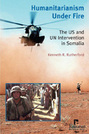 |
Building States to Build PeaceCharles T. Call with Vanessa Wyeth, editors How can legitimate and sustainable states best be established in the aftermath of civil wars? And what role should international actors play in supporting the vital process? Addressing these questions, the authors of Building States to Peace explore the core challenges involved in institutionalizing postconflict states. The combination of thematic chapters and in-depth case studies covers the More > |  |
Peace through Health: How Health Professionals Can Work for a Less Violent WorldNeil Arya and Joanna Santa Barbara, editors The idea of working for peace through the health sector has sparked many innovative programs, described expertly and accessibly in Peace Through Health by professionals in the field. More > | 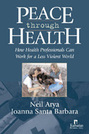 |
Annual Review of Global Peace Operations, 2008Center on International Cooperation Unique in its breadth of coverage, the Annual Review of Global Peace Operations presents the most detailed collection of data on peace operations—those launched by the UN, by regional organizations, by coalitions, and by individual nations—that is available. Features of the 2008 volume include: a summary analysis of the trends and developments in peace operations through 2007 a More > | 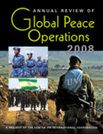 |
Civil War and the Rule of Law: Security, Development, Human RightsAgnès Hurwitz with Reyko Huang, editors How do rule of law programs contribute to conflict management? What strategies best address the challenges to securing the rule of law in fragile countries? What place do rule of law policies have in efforts to achieve stable and equitable development? The authors of Civil War and the Rule of Law address these fundamental questions, analyzing rule of law programs in the context of conflict More > |  |
Dissent from WarRobert Ivie The rhetorical presumption of war's necessity, observes Robert Ivie, functions to shame anyone who opposes military action and to portray dissenters as threats to national security. Showing the danger in this, Ivie explores the language of war supporters, soldiers, and antiwar activists and proposes strategies for resisting the dehumanizing language of war propaganda. His aim throughout is to More > | 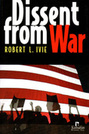 |
Born of War: Protecting Children of Sexual Violence Survivors in Conflict ZonesCharli Carpenter, editor Born of War reveals the multiple impacts of armed conflict on children born of wartime rape and sexual exploitation—and calls for greater consideration of this group in international human rights discourse and practice, where their experiences have been largely ignored. More > | 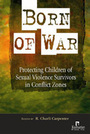 |
Development and Humanitarianism: Practical IssuesDeborah Eade and Tony Vaux, editors Humanitarian intervention invariably rubs shoulders with politics—awkwardly, and sometimes with tragic results. Development and Humanitarianism draws from the contents of the acclaimed journal Development in Practice to address the dilemmas that aid agencies and their frontline staff face in interpreting the principles of humanitarianism in situations where they risk being manipulated More > | 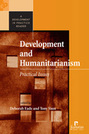 |
Complex Political VictimsErica Bouris Looking beyond the standard discourse about political victims, with its dichotomies of good and evil—and believing that more can be done to effectively recognize and respond to political victims—Erica Bouris interrogates the assumptions that are typically made about the identity of victims, the roles that these individuals play in conflict, and their needs in the postconflict period. More > | 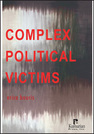 |
Zones of PeaceLandon Hancock and Christopher Mitchell, editors Examining sanctuary as it relates to both historical and modern conflicts—and proposing a theory of sanctuary that might allow for useful new peacebuilding strategies—the authors of this original collection highlight efforts made by local people around the world to achieve safety and democracy in the midst of violent civil wars. More > | 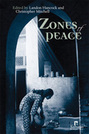 |
The Future for Palestinian Refugees: Toward Equity and PeaceMichael Dumper From the dilapidated camps of Lebanon to the eye of the storm in Gaza, Palestinian refugees continue to be a focus of world attention. The Future for Palestinian Refugees addresses in depth this most difficult of the outstanding problems impeding peace in the Middle East. Michael Dumper maps the contours of the issue, with special reference to wider international practice and its possible More > |  |
Annual Review of Global Peace Operations, 2007Center on International Cooperation Unique in its breadth and depth of coverage, the Annual Review of Global Peace Operations presents the most detailed collection of data on peace operations—those launched by the UN, by regional organizations, by coalitions, and by individual nations—that is available. Features of the 2007 volume include: an introductory essay on the priorities and processes crucial to More > |  |
Peace and the Public Purse: Economic Policies for Postwar StatebuildingJames K. Boyce and Madalene O'Donnell, editors In the aftermath of violent conflict, how do the economic challenges of statebuilding intersect with the political challenges of peacebuilding? How can the international community help lay the fiscal foundations for a sustainable state and a durable peace? Peace and the Public Purse examines these questions, lifting the curtain that often has separated economic policy from peace More > |  |
Peacekeeping in Sierra Leone: The Story of UNAMSIL'Funmi Olonisakin The first in a series of "inside" histories, Peacekeeping in Sierra Leone relates how a small country—one insignificant in the strategic considerations of the world powers—propelled the United Nations to center stage in a crisis that called the UN's very authority into serious question; and how the UN mission in Sierra Leone was transformed from its nadir into what is now More > |  |
Women Building Peace: What They Do, Why It MattersSanam Naraghi Anderlini How and why do women's contributions matter in peace and security processes? Why should women's activities in this sphere be explored separately from peacebuilding efforts in general? Decisively answering these questions, Sanam Anderlini offers a comprehensive, cross-regional analysis of women's peacebuilding initiatives around the world. Anderlini also traces the evolution of More > | 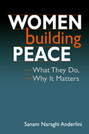 |
From Soldiers to Politicians: Transforming Rebel Movements After Civil WarJeroen de Zeeuw, editor In the transition from war-torn societies to stable multiparty democracies, what is the role of former rebel leaders? Can rebel movements effectively transform themselves from military to political organizations? From Soldiers to Politicians explores when and how militias succeed in reorienting their goals and practices toward legitimate political activities. The authors present eight More > | 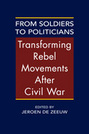 |
A World Turned Upside Down: Social Ecological Approaches to Children in War ZonesNeil Boothby, Allison Strang, and Michael Wessells, editors A World Turned Upside Down looks at children's experiences during war from a psychological and social ecological perspective, offering thoughtful observations and dispelling myths about the realities of growing up in conflict situations. In addition, each contributor points to ways to foster well-being and nurture the kinds of social connections that can liberate children from the pathologies More > | 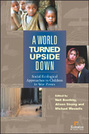 |
Peace Operations Seen From Below: UN Missions and Local PeopleBéatrice Pouligny Béatrice Pouligny argues that much of what is being rebuilt in societies emerging from war —or in some cases what is continuing to be destroyed—often lies in the ordinary daily lives of both local populations and the staff of UN peacekeeping missions. Pouligny's close analysis of UN interventions—in Cambodia, Somalia, Mozambique, El Salvador, Bosnia, Haiti, Sierra More > | 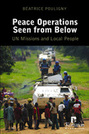 |
Bridging the Divide: Peacebuilding in the Israeli-Palestinian ConflictEdy Kaufman, Walid Salem, and Juliette Verhoeven editors In the midst of the continuing violence of the Israeli-Palestinian conflict, there are many who remain committed to moving forward on the road to peace. The Palestinian and Israeli contributors to this book, recognizing the great potential of civil society and NGOs for the peacebuilding process, focus on realistic opportunities for conflict transformation.The book includes a directory of More > |  |
Promoting Democracy in Postconflict SocietiesJeroen de Zeeuw and Krishna Kumar, editors Few would dispute the importance of donating funds and expertise to conflict-ridden societies—but such aid, however well meant, often fails to have the intended effect. This study critically evaluates international democratization assistance in postconflict societies to discern what has worked, what has not, and how aid programs can be designed to have a more positive impact. The authors More > |  |
Aiding Peace?: The Role of NGOs in Armed ConflictJonathan Goodhand As nongovernmental organizations play a growing role in the international response to armed conflict—tasked with mitigating the effects of war and helping to end the violence—there is an acute need for information on the impact they are actually having. Addressing this need, Aiding Peace? explores just how NGOs interact with conflict and peace dynamics, and with what results. Jonathan More > |  |
Annual Review of Global Peace Operations, 2006Center on International Cooperation The world now spends close to $5 billion annually on United Nations peace operations staffed by more than 80,000 military and civilian personnel, and commitments to comparable operations outside the UN command structure are on an even greater scale. The Annual Review of Global Peace Operations is the first comprehensive source of information on this crucial topic, designed for students, scholars, More > |  |
Sudan: The Elusive Quest for PeaceRuth Iyob and Gilbert M. Khadiagala The formal division in 2011 of Africa's largest state into two new states—Sudan (the Republic of the Sudan) and South Sudan (the Republic of South Sudan)—was the result of civil strife that had endured for generations. In the years leading up to this resolution, Sudan suffered from the failure of both regional and international actors to effectively come to terms with the scope of More > | 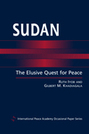 |
The Democratic Republic of Congo: Economic Dimensions of War and PeaceMichael Nest, with François Grignon and Emizet F. Kisangani Despite the prominent role that competition over natural resources has played in some of Africa's most intractable conflicts, little research has been devoted to what the economic dimensions of armed conflict mean for peace operations and efforts to reconstruct war-torn states. Redressing this gap, this volume analyzes the challenges that the war economy posed, and continues to pose, for More > | 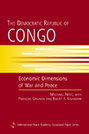 |
Profiting from Peace: Managing the Resource Dimensions of Civil WarKaren Ballentine and Heiko Nitzschke, editors Providing both a means and a motive for armed conflict, the continued access of combatants in contemporary civil wars to lucrative natural resources has often served to counter the incentives for peace. Profiting from Peace offers the first comprehensive assessment of the practical strategies and tools that might be used effectively, by both international and state actors, to help reduce the More > | 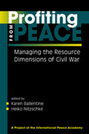 |
Peacebuilding in Postconflict Societies: Strategy and ProcessHo-Won Jeong This integrative discussion of the multiple dimensions of peacebuilding in postconflict societies offers a systematic approach to strategies and processes for long-term social, political, and economic transformation. Ho-Won Jeong links short-term crisis-intervention efforts to a sustained process that encompasses the entire complex environment of a conflict. His broad analytic framework and More > | 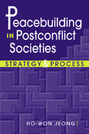 |
Cowardly Lions: Missed Opportunities to Prevent Deadly Conflict and State CollapseI. William Zartman What would have happened had the "road not taken" been the chosen action in past conflict interventions? What can we learn from a close look at alternatives that were not selected? Drawing on six detailed case studies (the Balkans, Haiti, Lebanon, Liberia, Somalia, and Zaire/Congo), I. William Zartman identifies a series of missed opportunities—options that arguably would have More > |  |
People Building Peace II: Successful Stories of Civil SocietyPaul van Tongeren, Malin Brenk, Marte Hellema, and Juliette Verhoeven, editors Individuals can make a difference working for peace worldwide. That is the message of People Building Peace II, an inspiring collection of stories of how "ordinary" men and women have played a crucial part in conflict prevention and peacebuilding. Thematic chapters, illustrated with compelling case studies, present new trends in the role of civil society in conflict More > |  |
Searching for Peace in Asia Pacific: An Overview of Conflict Prevention and Peacebuilding ActivitiesAnnelies Heijmans, Nicola Simmonds, and Hans van de Veen, editors Third in an acclaimed series, Searching for Peace in Asia Pacific offers critical background information, up-to-date surveys of the conflicts in the region and a directory of some 400 relevant organizations working in the field of conflict prevention and peacebuilding. The authors provide detailed, objective descriptions of ongoing activities, as well as assessments of the prospects for conflict More > |  |
War Economies in a Regional Context: Challenges of TransformationMichael Pugh and Neil Cooper, with Jonathan Goodhand Confronting the corrosive influence that war economies typically have on the prospects for peace in war-torn societies, this study critically analyzes current policy responses and offers a thought-provoking foundation for the development of more effective peacebuilding strategies. The authors focus on the role played by trade in precipitating and fueling conflict, with particular emphasis More > |  |
Exploring Subregional Conflict: Opportunities for Conflict PreventionChandra Lekha Sriram and Zoe Nielsen, editors The causes of violent conflict, as well as approaches to conflict prevention, have been studied extensively, but only recently has attention been given to the subregional dynamics of internal wars. The authors of this original collection explore conflicts in Africa, Central Asia, and Central America, seeking new insights that can provide the foundation for more nuanced, more effective preventive More > |  |
Young Soldiers: Why They Choose To FightRachel Brett and Irma Specht They are part of rebel factions, national armies, paramilitaries, and other armed groups and entrenched in some of the most violent conflicts around the globe. They are in some ways still children?yet, from Afghanistan to Sierra Leone to Northern Ireland, you can find them among the fighters. Why? Young Soldiers explores the reasons that adolescents who are neither physically forced nor abducted More > |  |
Men, Militarism, and UN Peacekeeping: A Gendered AnalysisSandra Whitworth Sandra Whitworth looks behind the rhetoric to investigate from a feminist perspective some of the realities of military intervention under the UN flag. Whitworth contends that there is a fundamental contradiction between portrayals of peacekeeping as altruistic and benign and the militarized masculinity that underpins the group identity of soldiers. Examining evidence from Cambodia and Somalia, More > |  |
Postconflict Development: Meeting New ChallengesGerd Junne and Willemijn Verkoren, editors With the proliferation of civil wars since the end of the Cold War, many developing countries now exist in a "postconflict" environment, posing enormous development challenges for the societies affected, as well as for international actors. Postconflict Development addresses these challenges in a range of vital sectors—security, justice, economic policy, education, the media, More > |  |
Nation-Building Unraveled? Aid, Peace, and Justice in AfghanistanAntonio Donini, Norah Niland and Karin Wermester, editors Using Afghanistan as an illustrative case, Nation-Building Unraveled? offers insiders’ perspectives on how emerging international practices are affecting the roles, policies, and impacts of UN agencies and international NGOs involved in peacebuilding efforts. More > |  |
Protecting the Future: HIV Prevention, Care and Support Among Displaced and War-Affected PopulationsWendy Holmes (for the International Rescue Committee) Protecting the Future outlines a practical, step-by-step process for the design and implementation of HIV programs among displaced and war-affected populations. More > |  |
War and Intervention: Issues for Contemporary Peace OperationsMichael V. Bhatia War and Intervention explains how armed forces, aid agencies, and transitional adminsitrations in war-affected countries have adapted to the changing circumstances of modern war and conflict. It uses a broad range of cases to introduce the reader to the dynamics on the ground. Bhatia's analysis becomes all the more important at a time when the debate continues about the United States's More > |  |
Ending Civil Wars: The Implementation of Peace AgreementsStephen John Stedman, Donald Rothchild, and Elizabeth M. Cousens, editors Why do some peace agreements successfully end civil wars, while others fail? What strategies are most effective in ensuring that warring parties comply with their treaty commitments? Of the various tasks involved in implementing peace agreements, which are the most important? These and related questions—life and death issues for millions of people today—are the subject of Ending Civil More > |  |
The Chittagong Hill Tracts, Bangladesh: On the Difficult Road to PeaceAmena Mohsin Ending a two-decade-long armed insurgency, the Chittagong Hill Tracts (CHT) Peace Accord was signed in December 1997 by the government of Bangladesh and the PCJSS, the political representative of the Hill people. However, because of ambiguities within the accord and the failure to implement many of its crucial elements, the situation in the CHT today is far from peaceful. Amena Mohsin More > |  |
From Promise to Practice: Strengthening UN Capacities for the Prevention of Violent ConflictChandra Lekha Sriram and Karin Wermester, editors How can the United Nations, regional and subregional organizations, government donors, and other policymakers best apply the tools of conflict prevention to the wide range of intrastate conflict situations actually found in the field? The detailed case studies and analytical chapters in From Promise to Practice offer operational lessons for fashioning strategy and tactics to meet the challenges of More > |  |
The Political Economy of Armed Conflict: Beyond Greed and GrievanceKaren Ballentine and Jake Sherman, editors Globalization, suggest the authors of this collection, is creating new opportunities—some legal, some illicit—for armed factions to pursue their agendas in civil war. Within this context, they analyze the key dynamics of war economies and the challenges posed for conflict resolution and sustainable peace. Thematic chapters consider key issues in the political economy of internal wars, More > |  |
The United Nations and Regional Security: Europe and BeyondMichael Pugh and Waheguru Pal Singh Sidhu, editors Events in Europe over the past decade or so have created a dynamic requiring significant conceptual and practical adjustments on the part of the the United Nations and a range of regional actors, including the EU, NATO, and the OSCE. This volume explores the resulting collaborative relationships in the context of peace operations in the Balkans, considering past efforts and developing specific More > |  |
The Humanitarian Enterprise: Dilemmas and DiscoveriesLarry Minear With a particular (though not exclusive) focus on the complex links between humanitarian action and the worlds of politics and military engagement, Larry Minear explores what international actors—from the UN and national governments to the many private relief and development agencies—have learned about doing humanitarian work. More > |  |
From Reaction to Conflict Prevention: Opportunities for the UN SystemFen Osler Hampson and David M. Malone Though the prevention of conflict is the first promise in the Charter of the United Nations, it is a promise constantly betrayed by international organizations, governments, and local actors alike. At the same time, and in a more positive vein, recent studies provide much-needed information about why and how today's conflicts start and what sustains them. This ground-breaking book presents More > |  |
Searching for Peace in Europe and Eurasia: An Overview of Conflict Prevention and Peacebuilding ActivitiesPaul van Tongeren, Hans van de Veen, and Juliette Verhoeven, editors Searching for Peace in Europe and Eurasia offers much-needed insight into the possibilities for effective conflict prevention and peacebuilding throughout the region. Presenting surveys of the violent conflicts in Europe, the Caucasus, and Central Asia, the contributors offer a unique combination of background information, detailed descriptions of ongoing activities, and assessments of future More > |  |
Democracy and War: The End of an Illusion?Errol A. Henderson Errol Henderson critically examines what has been called the closest thing to an empirical law in world politics, the concept of the democratic peace. Henderson tests two versions of the democratic peace proposition (DPP)—that democracies rarely if ever fight one another, and that democracies are more peaceful in general than nondemocracies—using exactly the same data and More > |  |
Ecuador vs. Peru: Peacemaking Amid RivalryMonica Herz and João Pontes Nogueira Although the 1995 Cenepa war between Ecuador and Peru was the first military conflict in South America in more than five decades, the Ecuador-Peru relationship might be characterized as one of enduring rivalry—punctuated by the threat of armed combat. In the context of this history of recurrent crises, Herz and Nogueira analyze the mediation process that followed the 1995 war. The More > | 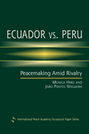 |
Conflict Prevention: The Untapped Potential of the Business SectorAndreas Wenger and Daniel Möckli Despite intensive international efforts in the area of conflict prevention, there is still little agreement about how civil wars might best be averted. And, as the news regularly reminds us, the many attempts at preventive action have not been strikingly successful. The authors of Conflict Prevention offer a new perspective, arguing that such efforts could be much more effective if they More > | 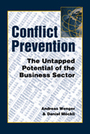 |
Peacekeeping in East Timor: The Path to IndependenceMichael G. Smith (with Moreen Dee), with forewords by Sergio Vieira de Mello and Kay Rala Xanana Gusmao The UN intervention in East Timor amply illustrates the type of complex operation that the United Nations increasingly is being asked to undertake. Michael Smith analyzes the successes and failures of the UN Transitional Administration in East Timor (UNTAET), which was designed to work in partnership with the East Timorese in guiding the country to independence following the 1999 vote to secede More > | 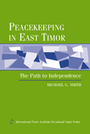 |
Toward Peace in Bosnia: Implementing the Dayton AccordsElizabeth M. Cousens and Charles K. Cater When the Dayton peace agreement was signed in 1995, there were expectations among the signatories, the Bosnian population, and the international community alike that the pact would not only end conflict among Bosnia's three armies, but also establish a political and social foundation for more robust peace. Recognizing that the latter goal—incorporating political reform and More > | 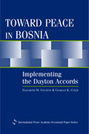 |
Justice and Reconciliation: After the ViolenceAndrew Rigby How do societies that have been wracked by violent conflict reconcile themselves to their recent history—and lay the foundations for a peaceful, stable future? How do they deal with the impulse for revenge? What should be done with those responsible for acts of state violence under a previous regime? How can individuals and communities best be helped to cope with the aftermath of national More > |  |
Women and Civil War: Impact, Organization, and ActionKrishna Kumar, editor Women typically do not remain passive spectators during a war, nor are they always its innocent victims; instead, they frequently take on new roles and responsibilities, participating in military and political struggles and building new networks in order to obtain needed resources for their families. Consequently, while civil war imposes tremendous burdens on women, it often contributes to the More > |  |
Kosovo: An Unfinished PeaceWilliam G. O'Neill Despite the deployment of NATO forces in Kosovo and the UN's direct involvement in governing the province, such terrors as murder, disappearances, bombings, and arson have become routine occurrences. William O'Neill analyzes the nature of the violence that continues to plague Kosovo's residents and assesses efforts to guarantee public security. O'Neill considers how the particular More > |  |
War's Offensive on Women: The Humanitarian Challenge in Bosnia, Kosovo, and AfghanistanJulie A. Mertus Julie Mertus explores, with cautious optimism, the progress that has been made in incorporating women and responding to gender issues in the process of dealing with humanitarian crises. More > |  |
Reconcilable Differences: Turning Points in Ethnopolitical ConflictSean Byrne and Cynthia L. Irvin, editors The authors of Reconcilable Differences consider how a range of factors converge to shape the ways that ethnic conflicts are waged and how peaceful change occurs. Focusing on the perceptions, structures, and interactions that contribute to the development and growth of intergroup antagonism, as well as on the mechanisms critical to the peace building, they contribute amply to our understanding of More > |  |
Greed and Grievance: Economic Agendas in Civil WarsMats Berdal and David M. Malone, editors Current scholarship on civil wars and transitions from war to peace has made significant progress in understanding the political dimensions of internal conflict, but the economic motivations spurring political violence have been comparatively neglected. This pathbreaking volume identifies the economic and social factors underlying the perpetuation of civil wars, exploring as well the economic More > |  |
Peacebuilding: A Field GuideLuc Reychler and Thania Paffenholz, editors A milestone in the search for sustainable peace, this handbook highlights the invaluable contributions of people working in the field. The authors clarify how fieldworkers "fit" in the overall peacebuilding process; provide details of the most effective practices; and offer guidelines for preparing for the field. Part 1 of the book introduces concepts and tools for sustainable More > |  |
Peacebuilding as Politics: Cultivating Peace in Fragile SocietiesElizabeth M. Cousens and Chetan Kumar, editors, with Karin Wermester Although the idea of postconflict peacebuilding appeared to hold great promise after the end of the Cold War, within a very few years the opportunities for peacebuilding seemed to pale beside the obstacles to it. This volume examines the successes and failures of large-scale interventions to build peace in El Salvador, Cambodia, Haiti, Somalia, and Bosnia and Herzegovina. The authors shed light More > |  |
Good Intentions: Pledges of Aid for Postconflict RecoveryShepard Forman and Stewart Patrick, editors This comparative study assesses the causes—and consequences—of failures to fulfill pledges of aid to postconflict societies. In each of six case studies, the coauthors (drawn from both donor states and recipient countries), evaluate multilateral efforts to support sustainable recovery and peacebuilding in societies emerging from protracted violence. They first establish the timing, More > |  |
Breaking Cycles of Violence: Conflict Prevention in Intrastate CrisesJanie Leatherman, William DeMars, Patrick D. Gaffney, Raino Väyrynen Breaking Cycles of Violence studies how the international community, working with local partners, can effectively pinpoint key breaking points and target resources for societies at risk of violent conflict. This book provides policymakers, practitioners, scholars, and students with a framework for recognizing and tackling the complexities of internal and intrastate conflicts in order to avert More > | 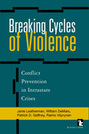 |
Do No Harm: How Aid Can Support Peace—or WarMary B. Anderson Echoing the words of the Hippocratic Oath, the author of Do No Harm challenges aid agency staff to take responsibility for the ways that their assistance affects conflicts. Anderson cites the experiences of many aid providers in wartorn societies to show that international assistance—even when it is effective in saving lives, alleviating suffering, and furthering sustainable More > | 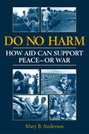 |
Aiding Violence: The Development Enterprise in RwandaPeter Uvin Winner of the African Studies Association’s Herskovits Award! Aiding Violence expresses outrage at the contradiction of genocide in a country considered at the time by Western aid agencies to be a model of development. Peter Uvin reveals how aid enterprises reacted—or failed to react—to the 1990s dynamics of militarization and polarization in Rwanda that resulted in mass More > | 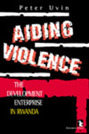 |
Rising from the Ashes: Development Strategies in Times of DisasterMary B. Anderson and Peter J. Woodrow Drawing on case histories of emergency relief programs that have successfully promoted development, Anderson and Woodrow offer guidelines for fashioning assistance programs designed to counter the effects of both natural and human-caused disasters. Arguing that relief efforts must support and enhance existing capacities, they present an analytical framework for assessing the characteristics and More > | |
Building Peace in HaitiChetan Kumar Though its national life often has been characterized by violence, Haiti has not been victim of a full-fledged internal conflict, or civil war. Why, then, is the international community conducting "postconflict peacebuilding" operations there? Addressing that question, Chetan Kumar examines the course of international involvement in Haiti through the prism of the country's unique More > | |
The Politics of Peace-MaintenanceJarat Chopra, editor The results of more than fifty years of peacekeeping operations—ranging from diplomatic efforts to so-called peace enforcement (the use of military force)—have made it clear that a new international political capability is required to adequately manage internal conflicts. That capability, peace- maintenance, is introduced and explored in this seminal work. Varying in degree of More > | |
Multiple Realities of International MediationMarieke Kleiboer Recent experiences have demonstrated once again the complexities of brokering an end to deep-rooted ethnic and international conflicts, as well as the difficulties of evaluating the outcomes of third- party interventions. Addressing these issues, this book offers a sophisticated approach to assessing mediation efforts and to reconstructing and interpreting mediation processes. Kleiboer develops More > | |
Postconflict Elections, Democratization, and International AssistanceKrishna Kumar, editor On the Humanitarian Times list of the Top Ten Books of 1998! With the resolution of intrastate conflicts in Africa, Central America, and Southeast Asia, and with new hope for the peaceful settlement of many still-existing conflicts, attention is turning to the issue of “free and fair” elections. This book examines the nature of postconflict (transition) elections, as well as the role More > | 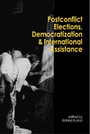 |
Decisionmaking on War and Peace: The Cognitive-Rational DebateNehemia Geva and Alex Mintz, editors Reviewing, comparing, and contrasting major models of foreign policy decisionmaking, contributors to this volume make a substantial contribution to the debate between cognitive and rational theories of decisionmaking. The authors describe the leading cognitive and rational models and introduce alternative models of foreign policy choice (prospect theory, poliheuristic theory, theory of moves, and More > | |
Rebuilding Societies After Civil War: Critical Roles for International AssistanceKrishna Kumar, editor With civil wars and internal violence on the rise over the past two decades, bilateral donor agencies, intergovernmental organizations, and NGOs have been playing an increasingly critical role in rehabilitation efforts once an acute conflict is over. In this process, it has become clear that the traditional aid focus on the economic sector, though essential, is not sufficient; the political and More > | 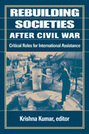 |
Multi-Track Diplomacy: A Systems Approach to Peace, 3rd editionLouise Diamond and John McDonald Exceptional in its systemic approach to peacemaking and conflict resolution, Multi-Track Diplomacy identifies the actors and activities that contribute to peacemaking and peacebuilding processes. The authors show how each of nine tracks is interlinked with all the others, providing new ideas, fresh perspectives, and an extensive guide to further resources. More > | 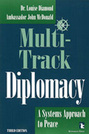 |
The News Media, Civil War, and Humanitarian ActionLarry Minear, Colin Scott, and Thomas G. Weiss The civil wars that have been prominent features of the first post–Cold War decade have revealed a close and active relationship among the news media, governments, and humanitarian organizations. Beyond loose talk of the "CNN factor," however, analysis of this linkage and attention to its implications have been lacking. This brief volume looks at institutional interactions between More > | |
The Third World Security Predicament: State Making, Regional Conflict, and the International SystemMohammed Ayoob This book explores the multifaceted security problems facing the Third World in the aftermath of the Cold War. Ayoob proposes that the major underlying cause of conflict and insecurity in the Third World is the early stage of state making at which postcolonial states find themselves. Drawing comparisons with the West European experience, he argues that this approach provides richer comparative More > | 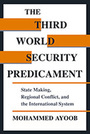 |
Resolving International Conflicts: The Theory and PracticeJacob Bercovitch, editor Mediation is rapidly becoming one of the most important methods of settling conflicts in the post-Cold War world, practiced by virtually every actor and dealing with every conceivable issue in the relations between states. This book represents the most recent trends in and thinking about the process and practice of international mediation. A coherent, analytical, well-integrated text, complete More > | |
Rights and Reconciliation: UN Strategies in El SalvadorIan Johnstone Using El Salvador as an example of the UN's recent multidimensional peacekeeping operations, Johnstone explores the delicate balance between the potentially conflicting goals of peace and justice. Johnstone challenges the view that these twin goals are incompatible, attributing the relative (though still incomplete) success of the Salvadoran peace process to the mutually reinforcing More > | |
A Question of Values: Johan Galtung's Peace ResearchPeter Lawler In this first comprehensive and critical account of the development of Johan Galtung's thought, Peter Lawler places Galtung's work in the context of past and contemporary debates in international relations, political theory, and the social sciences more generally. The starting point of the book is an examination of the young Galtung's writings on sociology and the foundational model More > | |
All Her Paths Are Peace: Women Pioneers in PeacemakingMichael Henderson To many, governments around the world seem incapable of making the new world order anything but the new world ordeal. But in All Her Paths Are Peace, Michael Henderson portrays maverick women whose daring acts have made a difference. From Japan to Brazil, from Northern Ireland to the United States, he relates their gripping stories and depicts the practical yet often risky steps each woman took to More > | 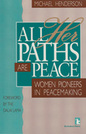 |
Rethinking PeaceRobert Elias and Jennifer Turpin, editors With the development of the atomic bomb, Albert Einstein remarked that everything had changed except our thinking about the world. Einstein and Bertrand Russell warned us that "we have to learn to think in a new way. . . . shall we put an end to the human race; or shall we renounce war?" Unfortunately, we are facing the end of this century still in the midst of wars of various More > |  |
Common Security and Nonoffensive Defense: A Neorealist PerspectiveBjorn Møller Bjorn Møller explores the implications of switching to a new type of defense structure, nonoffensive defense (NOD), that would maintain an undiminished—or even improved—capability for defense while possessing no offensive capabilities. The advantages of such a switch, he posits, would be enhanced possibilities for arms control and disarmament, increased crisis stability, and the More > | |
The Wave of the Future: The United Nations and Naval PeacekeepingRobert Stephens Staley II Though the United Nations will face numerous challenges on the world's oceans in the next decades, it has not yet developed the capability to operate effectively in the areas of maritime peacekeeping or enforcement. This study examines the various regional maritime challenges confronting the United Nations and describes several organizational and experiential models—ranging from More > | |
Peacemaking in Civil War: International Mediation in Zimbabwe, 1974-1980Stephen John Stedman Challenging the literatures on war termination, civil war, and revolution—which typically dismiss the possibility of negotiated settlement—Stephen Stedman examines the problem of negotiations during civil wars and demonstrates that third party mediation can help resolve such conflicts. Stedman analyzes four international attempts to mediate a settlement to the Zimbabwean civil war of More > | |
Ralph Bunche: The Man and His TimesBenjamin Rivlin, editor Illuminating the many facets of his career and exploring his extraordinary legacy, a distinguished group of authors examine Nobel peace laureate Ralph Bunche's ideas and activities ranging from his involvement in the civil rights movement to his work at the United Nations. As they reflect on Bunche's responses to some of the crucial problems that confronted the United States during his More > |  |