



BOOKS
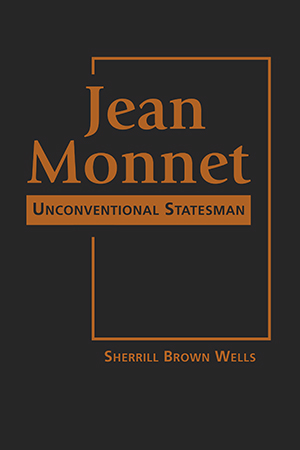
How did Jean Monnet, an entrepreneurial internationalist who never held an elective office, never joined a political party, and never developed any significant popular following in his More >
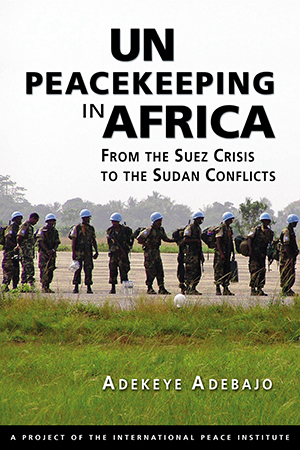
Nearly half of all UN peacekeeping missions in the post–Cold War era have been in Africa, and the continent currently hosts the greatest number (and also the largest) of such missions More >
Jeff Torlina challenges the conventional wisdom about the attitudes of blue-collar men toward their work. Torlina highlights the voices of pipe fitters, welders, carpenters, painters, More >
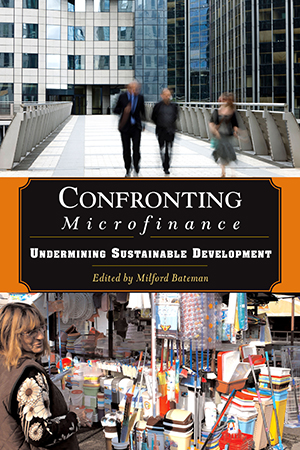
Despite the popularity of microfinance as a tool for economic development, there has been little analysis of its foundations or its real effectiveness in fighting poverty. Attempting to fill More >
Is there a relationship between the consolidation of democracy and the ending of rivalries with neighboring states? Can internationalist foreign policies be useful in More >
Elusive Equality explores how government institutions—the executive branch, the federal courts, Congress, and state legislatures—affect the legal status of women. In this More >
In this seminal collection, an interdisciplinary team of distinguished scholars draw on relevant conceptual models and compare experiences from other countries to show how South Africa could More >
The developments of the past seven years are reflected throughout this thoroughly revised edition of Politics in Southern Africa. Bauer and Taylor systematically examine politics and More >
What does it mean for an Asian American to be part white—or part black? Bruce Hoskins probes the experience of biracial Asian Americans, revealing the ways that our discourse about More >
What inroads is China making in Latin America? In China Engages Latin America, experts from three continents provide local answers to this global question. The authors explore the More >



