



Middle East Politics
Over the course of more than seven decades, NATO has sought, but not settled on, an effective strategy for interacting with its neighbors in the Middle East and North Africa. Rolf Schwarz More >
How do autocratic governments exploit communication technology in their efforts to maintain power? Can prodemocracy activists successfully use that same technology to support the overthrow More >
Choice Outstanding Academic Book! The role of gender in the Middle East and North Africa is widely discussed—but often little understood. Seeking to close that gap, the authors of More >
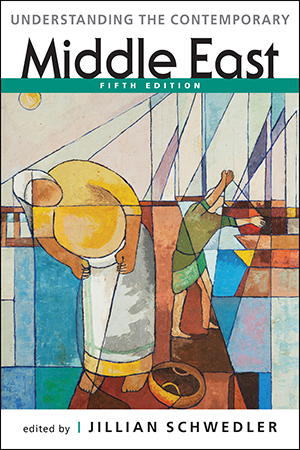
The previous edition of Understanding the Contemporary Middle East was published soon after the Arab uprisings, and the authors—writing across disciplines—captured those moments More >
The ongoing turbulence in Turkey's domestic and international politics raises a number of crucial questions. What explains the movement toward one-party, and even one-person, rule? What More >
The rise and decline of ISIS in Iraq and Syria. Deepening authoritarianism in Turkey. The return to military-led rule in Egypt. The impact of Crown Prince Mohammad bin Salman in Saudi More >
In a country whose citizens have experienced prolonged exposure to intractable conflict, are there unique features to be found in Israeli society’s core beliefs? And how—and to More >
Honorable mention for ISA's Religion and International Relations Section Book Award! The debate continues unabated: Is political Islam decipherable through the tenets of the Islamic More >
What exactly is Islamism? And what explains its violent expansion in recent decades? Why are Islamists so determined to change the world order? Are there similarities between Islamism and More >
After the autocratic regimes in the seemingly unassailable police states of Tunisia and Egypt suddenly collapsed in 2011, the Islamic parties that took over quickly succumbed in turn to More >
How might Arab countries build the foundations for rule of law in the wake of prolonged authoritarian rule? What specific challenges do they confront? Are there insights to be gained from More >
Belying assertions of the incompatibility of Islam and democracy, many Muslim-majority countries are now or have been democratic. Paul Kubicek draws on the experiences of those countries to More >
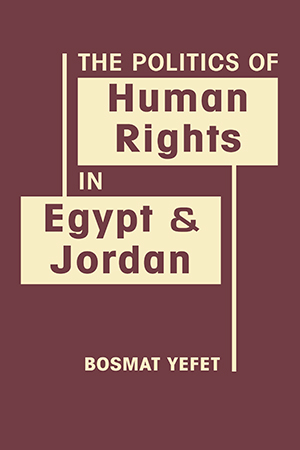
Why did human rights claims have such a limited impact on the authoritarian status quo in the Middle East prior to the Arab Spring—and why are they so often thwarted now? What factors More >
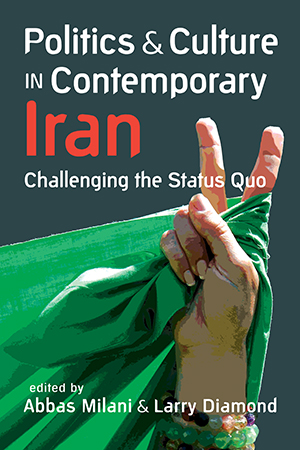
Despite the relative calm apparent in Iran today, there is unmistakable evidence of political, social, and cultural ferment stirring beneath the surface. The authors of Politics and Culture More >
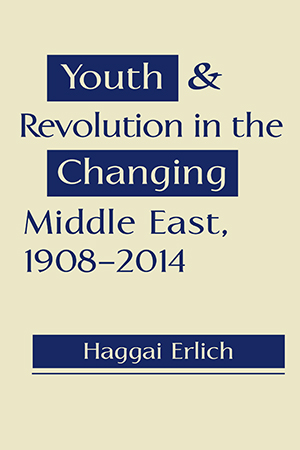
Though there is much discussion of the role of youth in recent upheavals in the Middle East, there are few serious analyses of just what that role has been. Haggai Erlich sheds important More >



