



International Relations (all books)
From the very early stages in the development of international law, the nature of the state-centric international system has dictated that law play second fiddle to the hard realities of More >
War crimes typically are discussed in sensational terms or in the dry language of international law. In contrast, David Chuter brings clarity to this complex subject, exploring why More >
Confronting the corrosive influence that war economies typically have on the prospects for peace in war-torn societies, this study critically analyzes current policy responses and More >
Does it make sense for the United States to cooperate with Russia to resolve international security issues? Is it possible for the two countries to work together to reduce the dangers More >
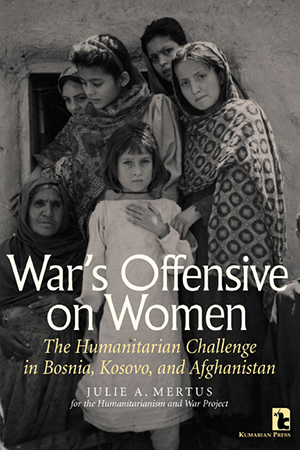
Julie Mertus explores, with cautious optimism, the progress that has been made in incorporating women and responding to gender issues in the process of dealing with humanitarian crises. More >

Choice Outstanding Academic Book! From artificial intelligence and autonomous vehicles to human augmentation … robots are increasingly being used by the military. For what More >

Responding to the changes that have swept across North Africa since the first edition of this book was published, Erik Jensen sheds new light on the enduring dispute over Western More >
What is going on domestically when democracies choose war? Why do some wars of choice generate political opposition while others don't? Is there an internal mechanism that constrains the More >
Christian fundamentalists. Hindu nationalists. Islamic jihadists. Buddhist militants. Jewish extremists. Members of these and other religious groups have committed horrific acts of terrorist More >
Why do some enduring, violent rivalries between states end peacefully, while others drag on interminably or cease only with the complete collapse or defeat of one of the states? Eric Cox More >
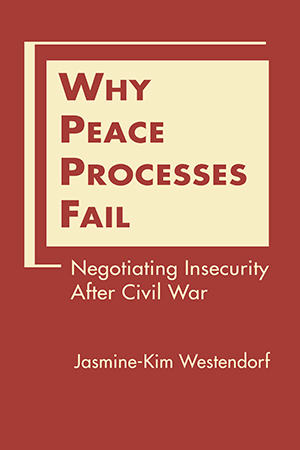
Why do so many post–civil war societies continue to be characterized by widespread violence and political instability? Or, more succinctly, why do peace processes so often fail to More >
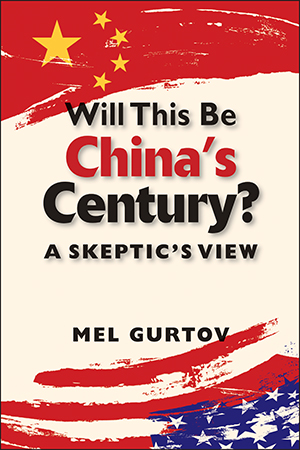
Mel Gurtov takes issue with the widespread view that China is on the way to rivaling or even displacing the United States as the dominant world power. Gurtov identifies serious More >
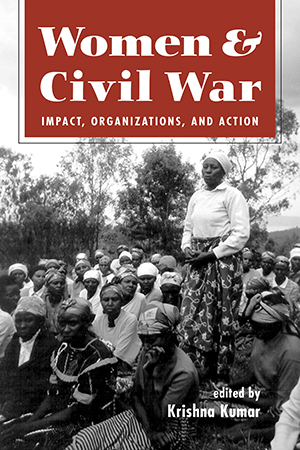
Women typically do not remain passive spectators during a war, nor are they always its innocent victims; instead, they frequently take on new roles and responsibilities, participating in More >
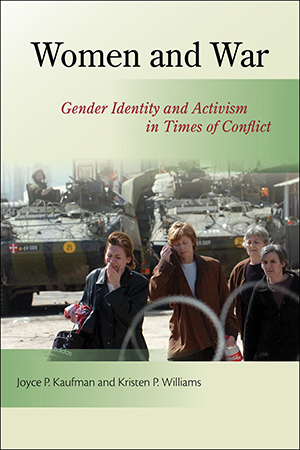
Joyce Kaufman and Kristen Williams draw on both traditional and feminist IR theory to explore the roles that women play leading up to, during, and after conflict situations, how they spur More >
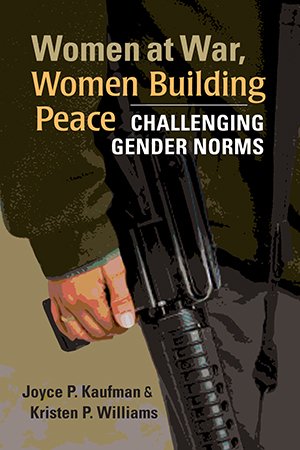
During times of civil conflict and war, why do some women turn to militant action while others seek peaceful resolutions? And why does the answer matter? Tackling these questions in their More >



