



International Relations (all books)
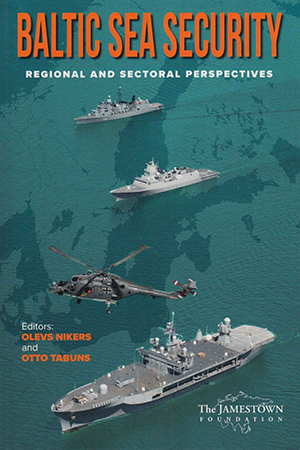
Baltic Sea Security offers a multifaceted discussion of the complex security issues affecting the Baltic region—with important implications for the cohesion of the wider transatlantic More >
Though China remains a relatively weak nuclear power, it has in recent years become central to US strategic policymaking. What explains this shift? How is the US-China strategic nuclear More >
What leads a democratic government to use military force to counter a domestic or external threat? How does it legitimize this mobilization to its citizenry? And what is the significance for More >
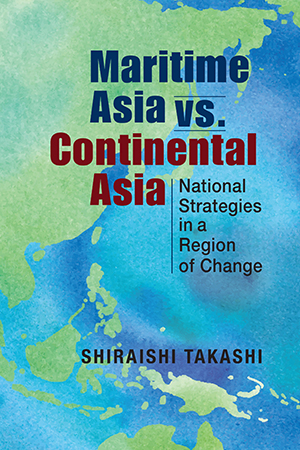
Shiraishi Takashi reflects on the diplomatic challenges facing the countries of Asia in today's geopolitical order, exploring historical context, long-term trends, and current More >

The premise of this new text is straightforward: Religion matters in world politics. Therefore, to comprehend the world around us, we need to understand how and why religion matters, analyze More >
Frustrated by the abrogation of promises by nuclear weapons states to disarm, countries that have foregone nuclear weapons joined forces with key members of civil society in efforts that More >
Over the course of more than seven decades, NATO has sought, but not settled on, an effective strategy for interacting with its neighbors in the Middle East and North Africa. Rolf Schwarz More >
Energizing the debate on how best to expose and deal with Russian propaganda and disinformation, Thomas Kent goes beyond suggesting simple defensive measures. Kent not only calls for more More >
How is it that the FBI, a domestic intelligence agency, operates beyond the US borders? What role does the bureau play in emerging democracies? In what ways does it contribute to US More >
How are intelligence systems structured in countries across Asia and the Middle East—from Russia to India, from Turkey to China and Japan, from Kazakhstan to Saudi Arabia? In what ways More >
The kidnapping of 276 schoolgirls from the village of Chibok, Nigeria, in 2014 drew the world's attention to the previously little-known extremist group Boko Haram. Numerous questions More >
Conventional wisdom tells us that targeting civilians in civil wars makes little sense as a combat strategy. Yet, the indiscriminate violence continues. Why? To tackle this vexing More >
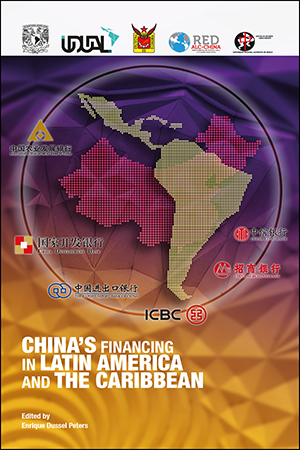
Over the first two decades of the twenty-first century, China has become not only the world's largest economy, but also its largest exporter, a major importer, and the second largest More >
Opinion surveys show that what the public assumes it knows about terrorism is at best a badly distorted view. Recalling the "Flat Earth" phenomenon, early misconceptions have More >
Herman Cohen draws on both the documentary record and his years of on-the-ground experience to provide a uniquely comprehensive survey and interpretation of nearly eight decades of US policy More >



