



BOOKS
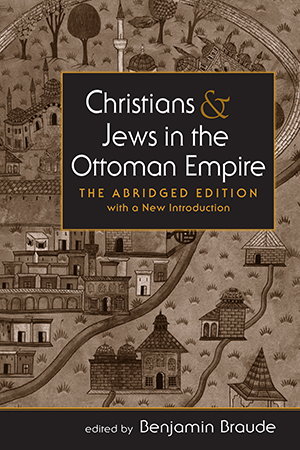
How did the vast Ottoman Empire, stretching from the Balkans to the Sahara, endure for more than four centuries despite its great ethnic and religious diversity? The classic work on this More >
Despite the current global focus on prospects for the integrated European market, there are many in the policymaking and business communities who believe that the next century will be a More >
Seeking to refocus thinking about the behavior of the global south ("third world") states in international affairs, this book explores contending explanations of global south More >

National Jewish Book Awards Finalist When the Germans overpowered the Netherlands in 1940, there were some 140,000 Dutch citizens who were considered Jews by Nationalist Socialist More >
Neoconservative proposals for a minimal state notwithstanding, it has become increasingly clear in Latin America (and elsewhere) that the state must in fact be strengthened and the civil More >
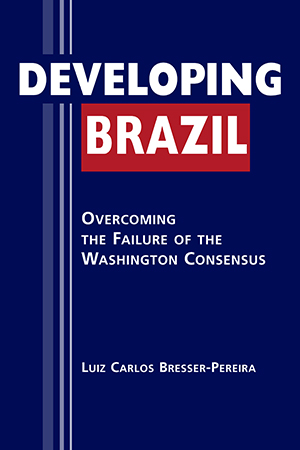
After the 1994 Real Plan ended fourteen years of high inflation in Brazil, the country’s economy was expected—mistakenly—to grow quickly. Luiz Carlos Bresser-Pereira More >
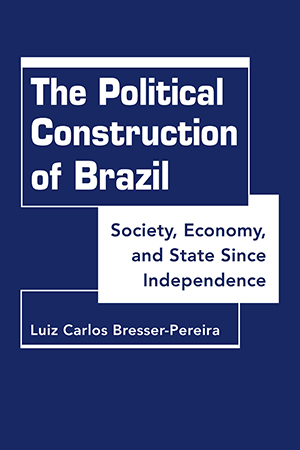
Spanning the period from the country’s independence in 1822 through mid-2016, Luiz Carlos Bresser-Pereira assesses the trajectory of Brazil's political, social, and economic More >
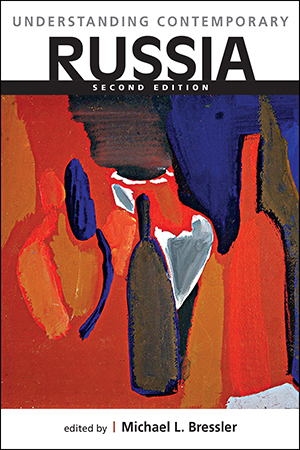
Russia today is in many ways different from the country portrayed a decade ago in the first edition of Understanding Contemporary Russia. With an upsurge of both national pride—despite More >
They are part of rebel factions, national armies, paramilitaries, and other armed groups and entrenched in some of the most violent conflicts around the globe. They are in some ways still More >
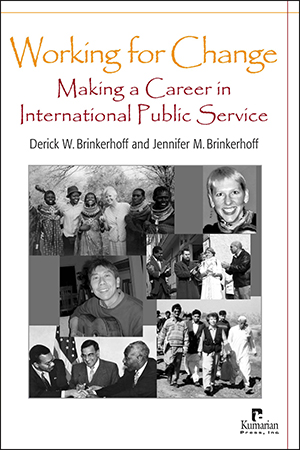
A Foreword Magazine Book of the Year Finalist for 2005 Derick and Jennifer Brinkerhoff explore career paths in international public service, focusing on development management positions More >



