



BOOKS
How have the costs, both human and material, of US involvement in the conflicts in Afghanistan and Iraq affected the country's will for conducting regime-change operations? What are the More >
How did Jean Monnet, an entrepreneurial internationalist who never held an elective office, never joined a political party, and never developed any significant popular following in his More >

This book tells the story of how government policy-makers, law enforcement officials, and the news media effectively used modest shifts in the official rate of violent crime to construct a More >
North American scholars typically do not hesitate to make pronouncements about foreign policy processes and outcomes in other countries. And despite ample evidence to the contrary, the More >
Every year, the US Department of Defense allocates more than $400 billion to for-profit firms. Which raises the question: Where does the money go? Thomas Bruneau takes a deep dive into the More >
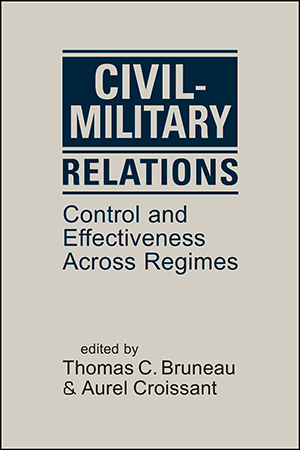
How does civilian control affect military effectiveness? Can a balance be achieved between the two? In-country experts address these questions through a set of rich comparative case studies. More >

The experiences and voices of multiracial individuals are challenging current categories of race, profoundly altering the meaning of racial identity and in the process changing the cultural More >
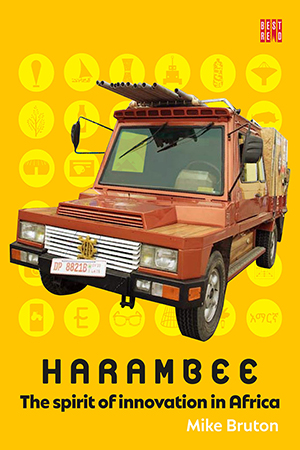
How many inventions come from Africa? How many African countries have produced their own cars? Why is the M-Pesa mobile money system so important? Is the nature of innovation in Africa More >
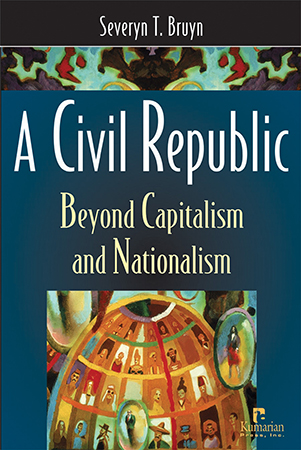
Severyn T. Bruyn argues that—in a world of injustice, ecological destruction, violence and instability, weapons of mass destruction, and the rise of authoritarian government—our More >
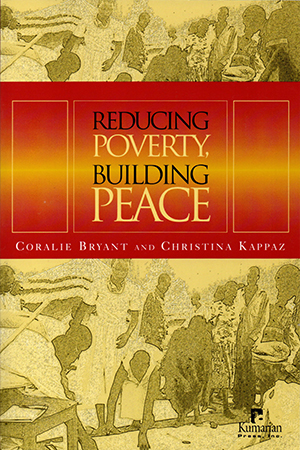
Coralie Bryant and Christina Kappaz cogently argue that poverty reduction not only is possible, but also can build opportunities for peace. Integrating theoretical concepts with discussions More >



