



BOOKS
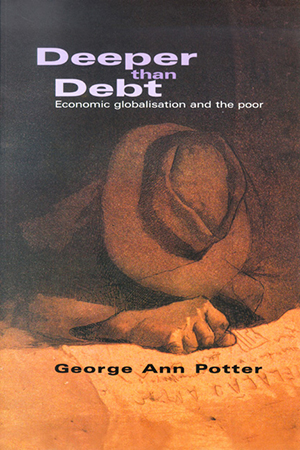
In this era of economic globalization, the debt owed by the poorest countries allows the richest to have enormous influence over most Southern economies. George Ann Potter brings together a More >
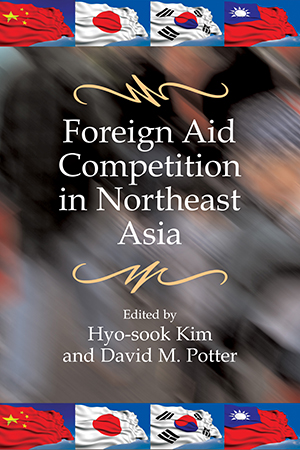
In recent years, China, Taiwan, South Korea, and Japan have been transformed from aid recipients to aid donors, raising a number of questions. What motivated these four countries to embark More >
In this comprehensive, practical guide to project planning and appraisal in developing countries, David Potts focuses on economic and financial analysis, but also gives serious weight to More >
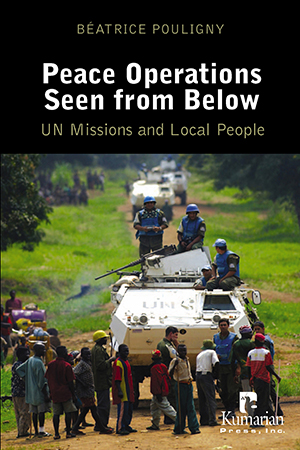
Béatrice Pouligny argues that much of what is being rebuilt in societies emerging from war —or in some cases what is continuing to be destroyed—often lies in the ordinary More >
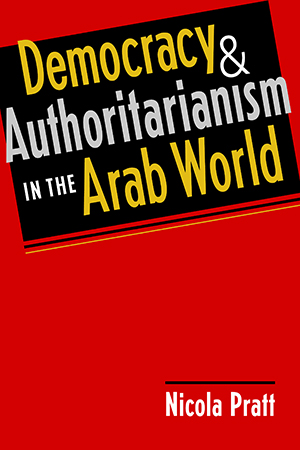
What explains the enduring rule of authoritarian regimes in the Arab world? Nicola Pratt offers an innovative approach to this recurring question, shedding light on the failure of More >
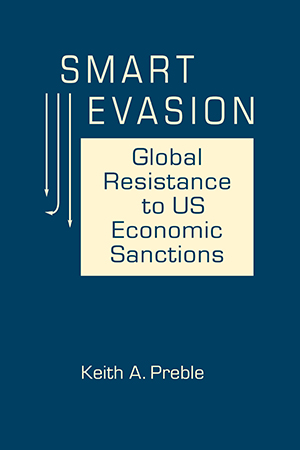
Since the 1990s, the US use of economic sanctions as a tool of statecraft has exploded—and both third-party states and the targets themselves have developed a range of More >
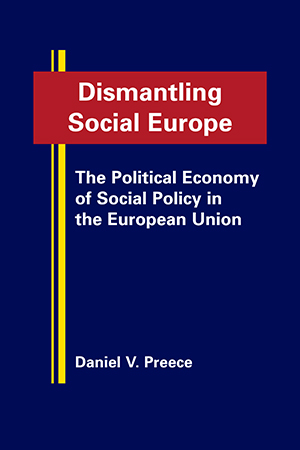
Why is neoliberalism winning out as a social policy in the European Union? Daniel Preece demonstrates how, despite the commitment to "Social Europe" that has been entrenched in the More >
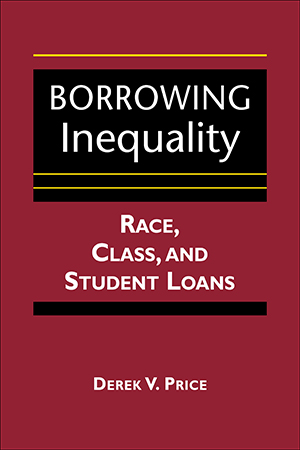
As the cost of higher education continues to rise, students increasingly rely on borrowing to pay for college. But is the result the improved socioeconomic position that they anticipate? More >

What is terrorism? How do terrorists operate—what are their means, targets, and motivations? How can governments prevent terrorist attacks from happening? Henry Prunckun and Troy More >
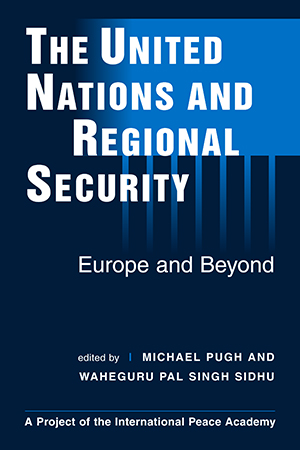
Events in Europe over the past decade or so have created a dynamic requiring significant conceptual and practical adjustments on the part of the the United Nations and a range of regional More >



