



BOOKS
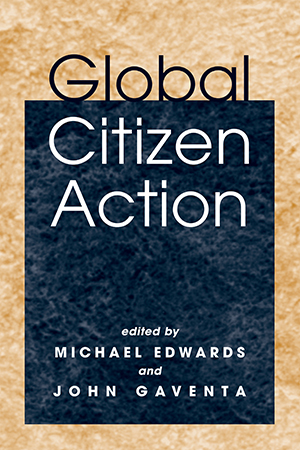
Less than ten years ago, there was little talk of civil society in the corridors of power. But now, the walls reverberate to the sound of global citizen action—and difficult questions More >
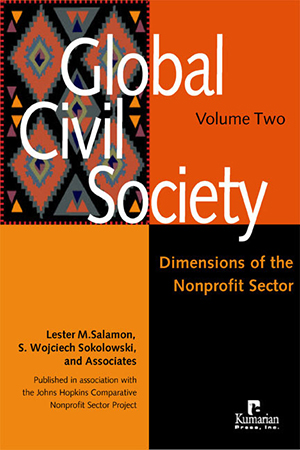
In Volume Two of Global Civil Society, the Johns Hopkins Comparative Nonprofit Sector Project continues the comprehensive overview of the scope, size, composition, and financing of the More >
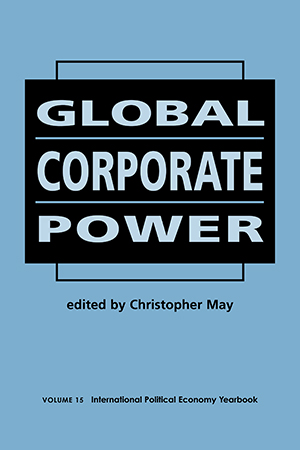
Exploring the diverse ways that corporations affect the practices and structures of the global political economy, this innovative work addresses three fundamental questions: How can the More >
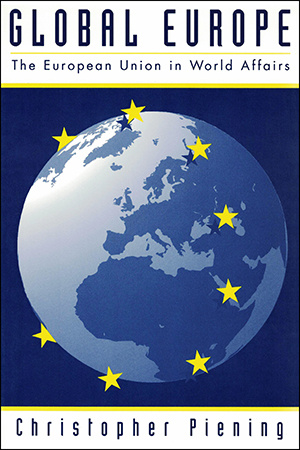
The European Union (EU), though comprised of fifteen separate, sovereign states, is constrained by treaty to act "as one" in key areas. And as trader, investor, aid donor, and most More >
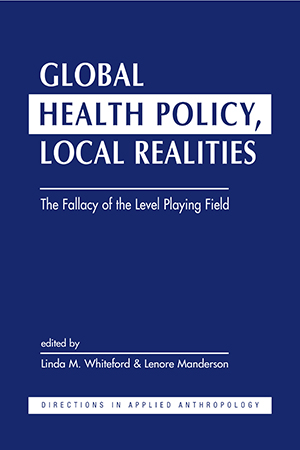
International health planners often design programs based on the assumption that recipient nations share the same "level playing field" with regard to conceptions of health, More >

The UN has not authorized any new peacekeeping missions since 2014, despite the increasing number of wars. Other peacebuilding actors, such as the EU, have turned to military training and More >

This innovative text/reader illustrates a range of national and regional perspectives on international relations and U.S. foreign policy. The twenty-eight selections include speeches, More >
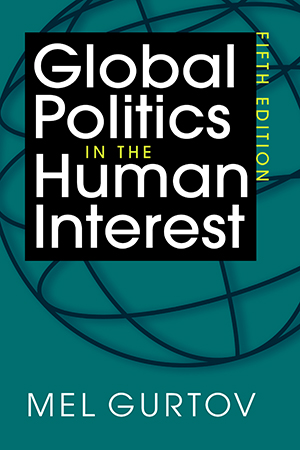
Traditional studies of world politics emphasize the struggle between states as they search for national security. But increasing interdependence has transformed the world political agenda, More >
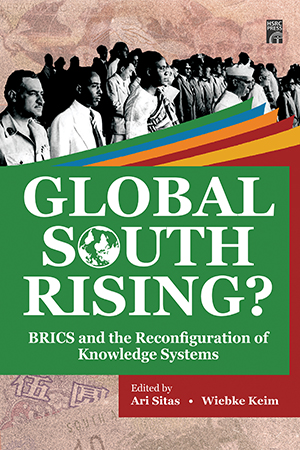
Global South Rising? addresses a provocative question: Can BRICS reshape global knowledge hierarchies? The contributors examine the BRICS' rise in the context of its ambition to More >



