



Development Studies
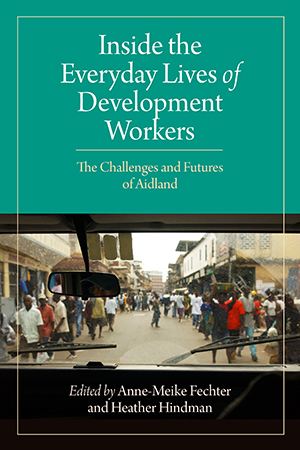
Rarely is the lens of aid policy turned on the lives of aid workers themselves. Yet, the seemingly impersonal network of agencies and donors that formulate and implement policy are composed More >

After agriculture and tourism, artisan work provides the next most significant source of income in many developing countries. Yet, there is strong disagreement among both politicians and More >

Drawing on the experience of Projecto Seringueiro (Project Rubber Tapper), Denis Heyck reveals how a radical education experiment designed simply to bring literacy to rubber tappers in More >
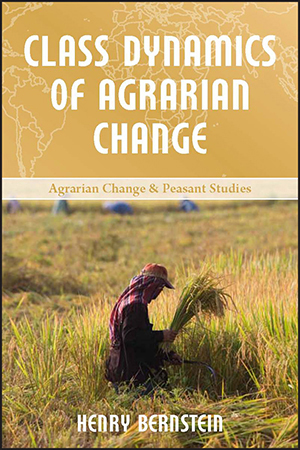
Henry Bernstein argues that class dynamics should be the starting point of any analysis of agrarian change. Providing an accessible introduction to agrarian political economy, he shows More >

Development scholars, policymakers, and practitioners have begun sorting through the hype of microfinance to identify where and how top-down loans might fit into broader development efforts. More >

Paul David Ronalds draws on his experience as deputy CEO of World Vision Australia to offer a practical guide for international nongovernmental organizations (INGOs) as they face the More >
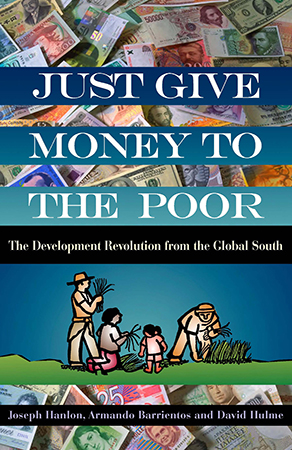
Amid all the complicated economic theories about the causes and solutions to poverty, one idea is so basic that it seems radical: bypass governments and NGOs, provide direct cash transfers, More >
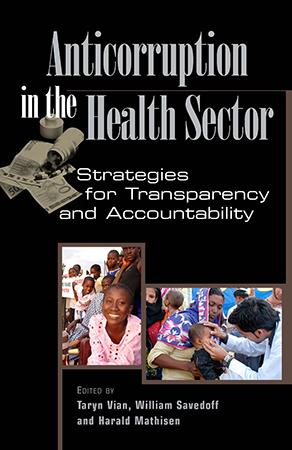
A brief, readable field guide, Anticorruption in the Health Sector brings practical experience to bear on anticorruption approaches tailored specifically to health. The contributors, all More >

Shawn Teresa Flanigan looks at the role of faith-based nonprofit organizations (FBOs) in the context of international development to explore the ways that history and religious identity have More >
Although policymakers and practitioners alike have enthusiastically embraced the idea that security and development are interdependent, the precise nature and implications of the dynamic More >

Choice Outstanding Academic Book! The development of coherent and effective relations with other regions and countries is one of the most challenging tasks faced by the European Union. More >
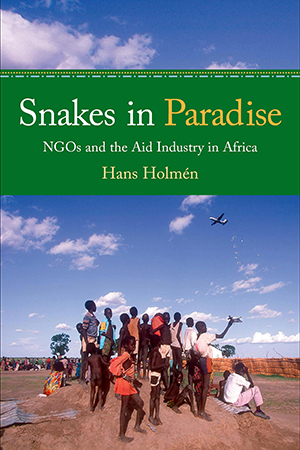
Beginning in the 1980s, sub-Saharan Africa witnessed a veritable explosion of NGOs and CSOs engaged in efforts to develop the subcontinent. Often praised for their commitment, flexibility, More >
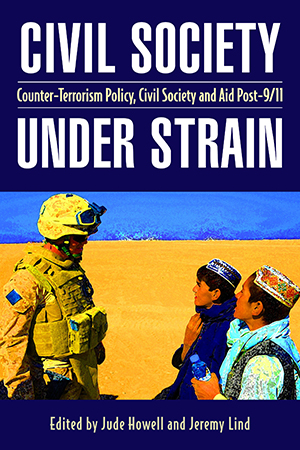
As they investigate the convergence of security and development objectives following the attacks of September 11, 2001—in particular as this relates to civil society—the authors More >

Leadership for Development examines fundamental issues: the tools leaders use to achieve development goals; how culture and interdependence among governments and organizations affects More >

Two centuries after the abolition of the transatlantic slave trade, at least 12.3 million people are subjected to modern forms of forced labor—in rich countries, as well as poor More >



