



BOOKS
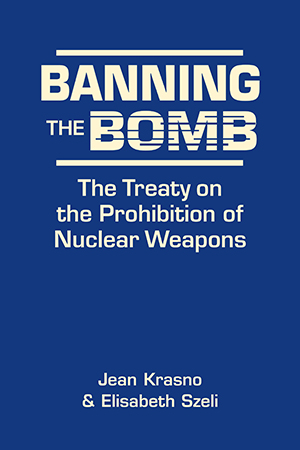
Frustrated by the abrogation of promises by nuclear weapons states to disarm, countries that have foregone nuclear weapons joined forces with key members of civil society in efforts that More >
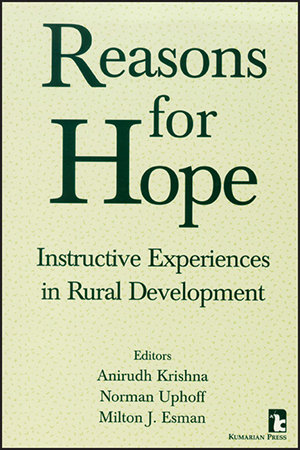
Eighteen of the world's most exemplary rural development successes from Africa, Asia, and Latin America are presented in the words of their originators and managers. This is a true story More >
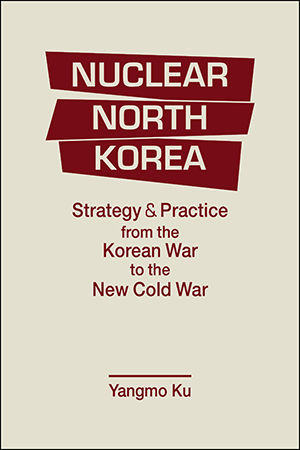
Despite crippling economic hardships and intense international pressure, North Korea has managed to become a nuclear nation. What drove the country to so resolutely prioritize the More >
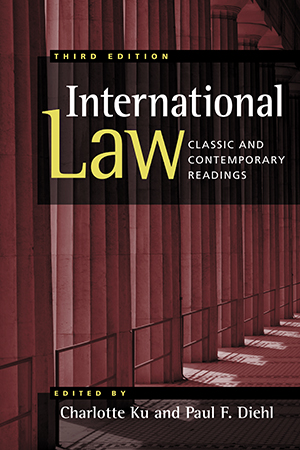
Covering subjects ranging from treaties and dispute resolution to the environment, human rights, and terrorism, this anthology reveals the influence of international law on political More >
Belying assertions of the incompatibility of Islam and democracy, many Muslim-majority countries are now or have been democratic. Paul Kubicek draws on the experiences of those countries to More >
What leads a democratic government to use military force to counter a domestic or external threat? How does it legitimize this mobilization to its citizenry? And what is the significance for More >
The authors of this thought-provoking book explore the ways in which decolonization protects the democratic ideal of academic freedom—and at the same time caution against using that More >
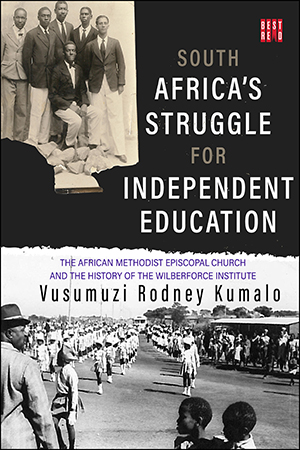
At the start of the twentieth century, newly urbanized South Africans struggled with mainstream missionary education and its associated oppression, segregation, displacement, and not least, More >
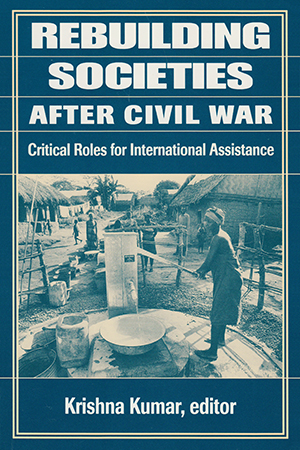
With civil wars and internal violence on the rise over the past two decades, bilateral donor agencies, intergovernmental organizations, and NGOs have been playing an increasingly critical More >
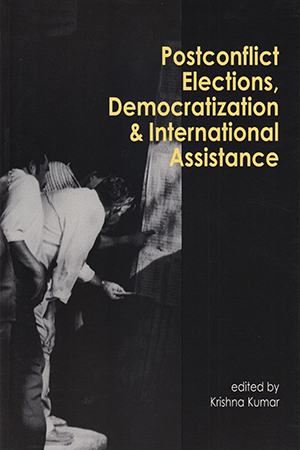
On the Humanitarian Times list of the Top Ten Books of 1998! With the resolution of intrastate conflicts in Africa, Central America, and Southeast Asia, and with new hope for the peaceful More >



