



BOOKS
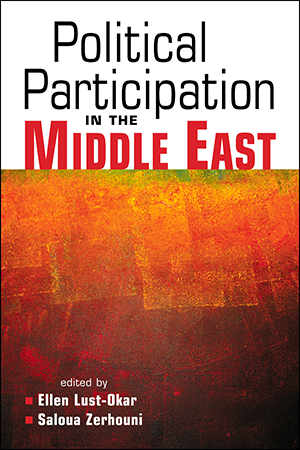
Political Participation in the Middle East provides essential context for understanding current political activism across the MENA region. Through an in-depth exploration of seven More >

What is the cumulative impact of the immense social, economic, and political changes that Africa has undergone in recent decades? What opportunities do those changes present to improve the More >
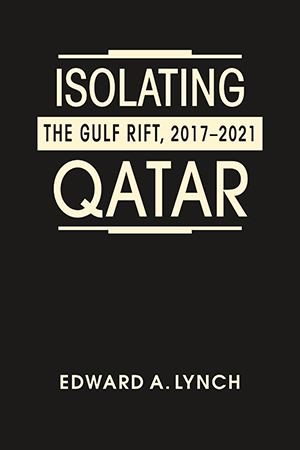
In June 2017, Bahrain, Egypt, Saudi Arabia, and the UAE announced a comprehensive boycott of Qatar. Diplomatic ties were severed, trade was banned, and airspace was closed. Qatari nationals More >
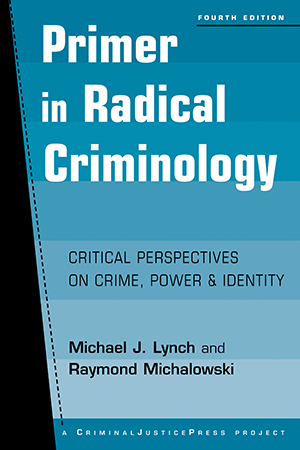
This acclaimed textbook insightfully frames the problem of crime in relation to class, race, gender, culture, and history. More >
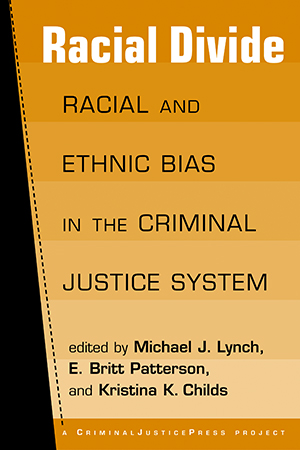
How is the racial divide in US society reflected in the practices of the nation's criminal justice system? Documenting a persistent pattern of institutionalized racial and ethnic More >
It is no secret that the US variously pulls away from the United Nations and embraces it as a significant venue for policy initiatives. But what explains this dramatic inconsistency? What is More >
With the increasing use of elections as a tool for peacebuilding after civil war, the question of why some postconflict elections succeed and others fail is a crucial one. Tackling this More >
How did a group with its origins in a small Marxist-Leninist insurgency in northern Ethiopia transform itself into a party (the EPRDF) with eight million members and a hierarchy that links More >
Understanding US initiatives in Iran from 1941 to 1953 provides insight into much broader areas of American foreign policy: the tension between military and political strategists during More >
Although Latin American and Caribbean countries have assigned a high priority to increasing exports in recent years—substantially transforming their economies in the More >



