



BOOKS
The Arab-Israeli conflict in general and the Palestinian intifada in particular have given rise to a wave of critical reappraisals of the Israeli experience—reappraisals that More >

At the beginning of the 1980s, Singapore’s public relied largely on a literary diet of traditional British and North American authors. By 1990, however, books by Singaporeans were More >
Moving beyond Cold War rhetoric and stereotypical views of Third World Marxism, the authors convincingly argue that the democratic tradition and practice that was emerging in socialist More >
This book series publishes theoretical and empirical research on reducing opportunities for crime. Until recently, this topic was of minor importance in criminology because opportunity was More >
Zvi Sobel's absorbing book draws readers into the world of Yavneel, a small Israeli village that is home to several diverse communities: the established core of settler-farmers, new More >
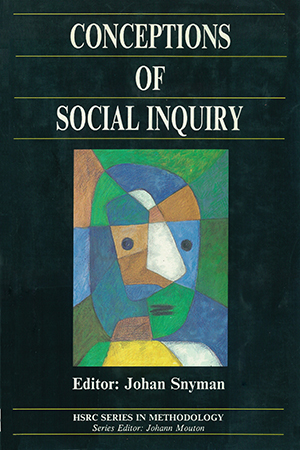
What is critical theory, hermeneutics, deconstruction, positivism, and phenomenology? Is it true that "anything goes" in the social sciences? This book provides answers to More >
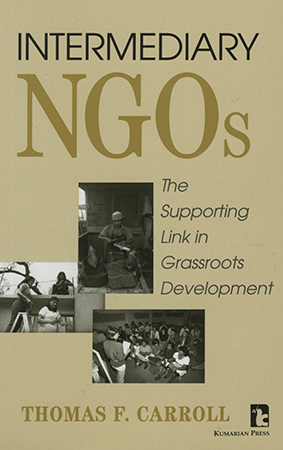
Thomas Carroll presents a clear, accurate picture of the role and impact of NGOs in developing countries, along with case studies from Chile, Costa Rica, and Peru. More >

Throughout his thought-provoking assessment of Argentina, Gary W. Wynia offers and informed and sensitive view of a nation of wealth, pride, and sophistication that finds itself severely More >



