



BOOKS
What kind of democracy will emerge in Mexico when the current levels of violence are brought under control? Will democratic reformers gain strength in the new equilibrium between government More >
The fifth edition of this classic reader retains many of the articles that have made the book a must-assign for classes on development and political economy, but has been updated with 14 new More >
Winner of the Canadian Political Science Association's Prize in Comparative Politics, 2016! Despite the pervasiveness of electoral democracy in Latin America, the police continue to More >
The inability of the Haitian state to deal with the devastation of the January 2010 earthquake brought into sharp focus Haiti’s desperate social and economic conditions—and More >
Within two decades—if not sooner—at least one in three prisoners in the US will be a "senior citizen." Our prisons, however, were designed for a much younger More >
How was Chile transformed both politically and economically during the two decades of center-left coalition (Concertación) government that followed the country's return to More >
Kent Kerley explores the issue of religion in prison, offering a rich portrait of religious practices and their impacts. Kerley shows how offenders of all stripes use faith to adapt and More >
Despite being deemed an illegal activity, participation in sexual activity behind prison walls is a frequent occurrence. Catherine Marcum and Tammy Castle provide a comprehensive study of More >
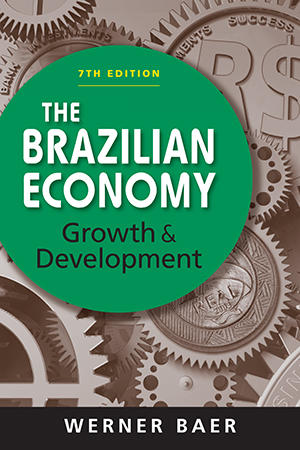
In this thorough description and analysis of Latin America's largest economy, Werner Baer traces the trajectory of Brazil's economic development and performance from the colonial More >
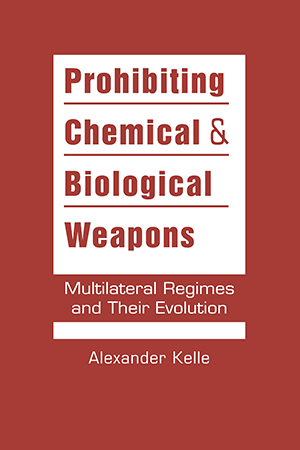
Whether in the arsenals of states or of terrorist groups, chemical and biological weapons (CBW) are increasingly seen as one of the major threats to global security. Alexander Kelle provides More >



