



BOOKS
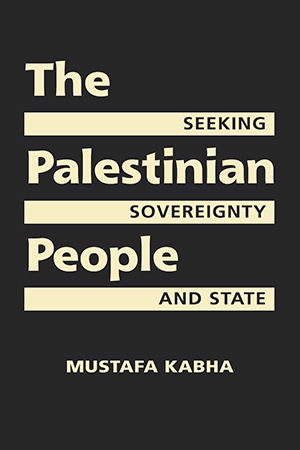
Mustafa Kabha plumbs the complex story of the Palestinian people, from the revolts of 1936-1939 to the present, focusing on their efforts to establish a viable independent state—and More >
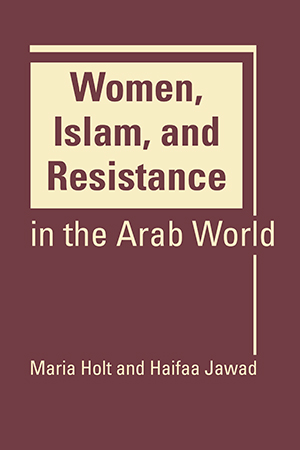
How are women in the Arab world negotiating the male-dominated character of Islamist movements? Is their participation in the Islamic political project—including violent resistance More >
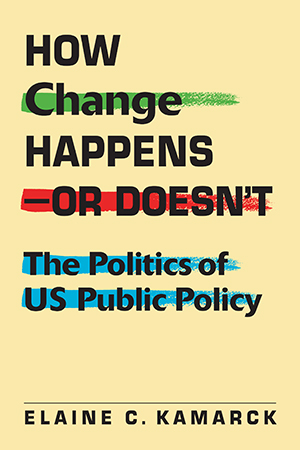
Choice Outstanding Academic Book! How do transformative changes in public policy take place? Why do some issues rise to the top of the political agenda, while others are completely More >
The chapters in this collection contest the framework of knowledge that has deadlocked nature and culture, tradition and modernity, scientific and indigenous, and in doing so makes a case More >
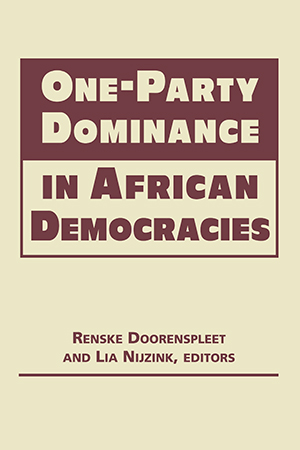
Is the dominance of one political party a problem in an emerging democracy, or simply an expression of the will of the people? Why has one-party dominance endured in some African democracies More >
Discusses the historical evolution of the power sector, the development of power-sector reform policy and its implementation, the entry of IPPs and emergency electric suppliers, the More >
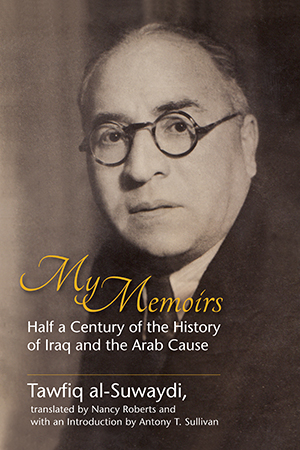
These memoirs of the distinguished Iraqi statesman Tawfiq al-Suwaydi (1892-1968) evocatively recapture a now largely vanished Arab world—and are an eloquent reminder that Iraq was once More >
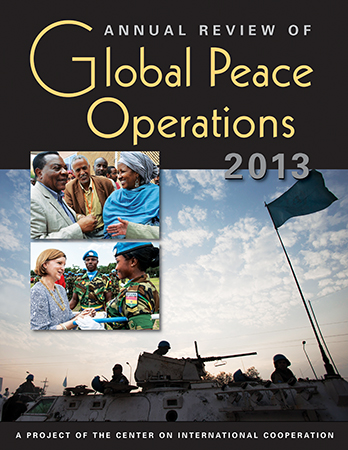
The 2013 Annual Review of Global Peace Operations provides comprehensive information on all current military and—for the first time—civilian peace operations, more than 130 More >

Was the US-led war on terror, especially the invasions of Afghanistan and Iraq, a necessary response to the September 11 terrorist attacks? What did the two invasions accomplish? How have More >
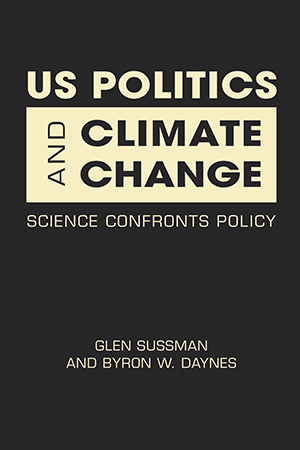
Why is climate change the subject of such vehement political rhetoric in the United States? What explains the policy deadlock that has existed for nearly two decades—and that has More >



