



BOOKS
Gilbert Mireles explores the legendary United Farm Workers' campaign to organize laborers—predominantly Latino immigrants—in California's strawberry industry. Tracing More >
What led to the dramatic social and economic reforms introduced by Cuba's president Raúl Castro? How effective have those reforms been? And what obstacles does Castro face in More >
In countries as diverse as Brazil, Ecuador, France, Russia, South Africa, and the United States, presidents have come to dominate the politics and political cultures of their nations. More >
How do individual and collective memories of the repressive Pinochet regime affect the fabric of Chilean politics and society today? How have the politics of memory in Chile—including More >
Manuel Orozco moves beyond the numbers to provide a uniquely comprehensive, historically informed overview and analysis of the complex role of migrant remittances in the global More >
A Global Observatory Must-Read Book in Peace and Security! Offering a systematic approach that links practical conflict-assessment exercises to the design, planning, monitoring, and More >
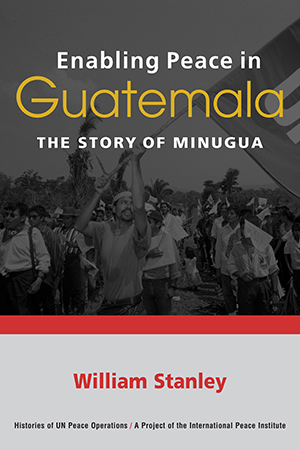
William Stanley tells the absorbing story of the UN peace operation in Guatemala's ten-year endeavor (1994-2004) to build conditions that would sustain a lasting peace in the More >
Why do some 30 million people in the United States give money to political candidates and causes—even though most individual contributions are irrational from the perspective of a More >
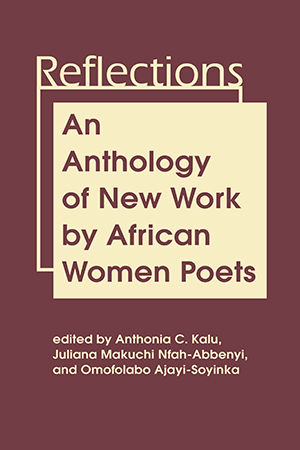
This anthology of never-before-published poems showcases a new generation of African women poets, some familiar, some just beginning their literary careers. Their rich voices belie popular More >
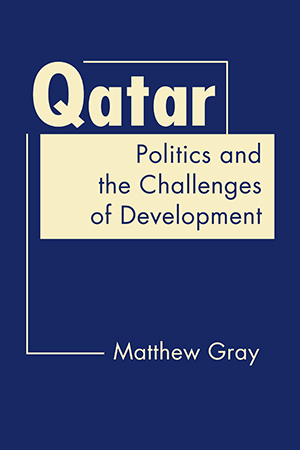
A small isthmus in the central Gulf, with barely 300,000 citizens and a total population of 1.7 million, Qatar has risen rapidly from obscurity to become the world's wealthiest country More >



